
Best health trackers: a practical 2026 buying guide
Which tracker is best for sleep, daily activity or training? Compare useful metrics and choose without the marketing noise.
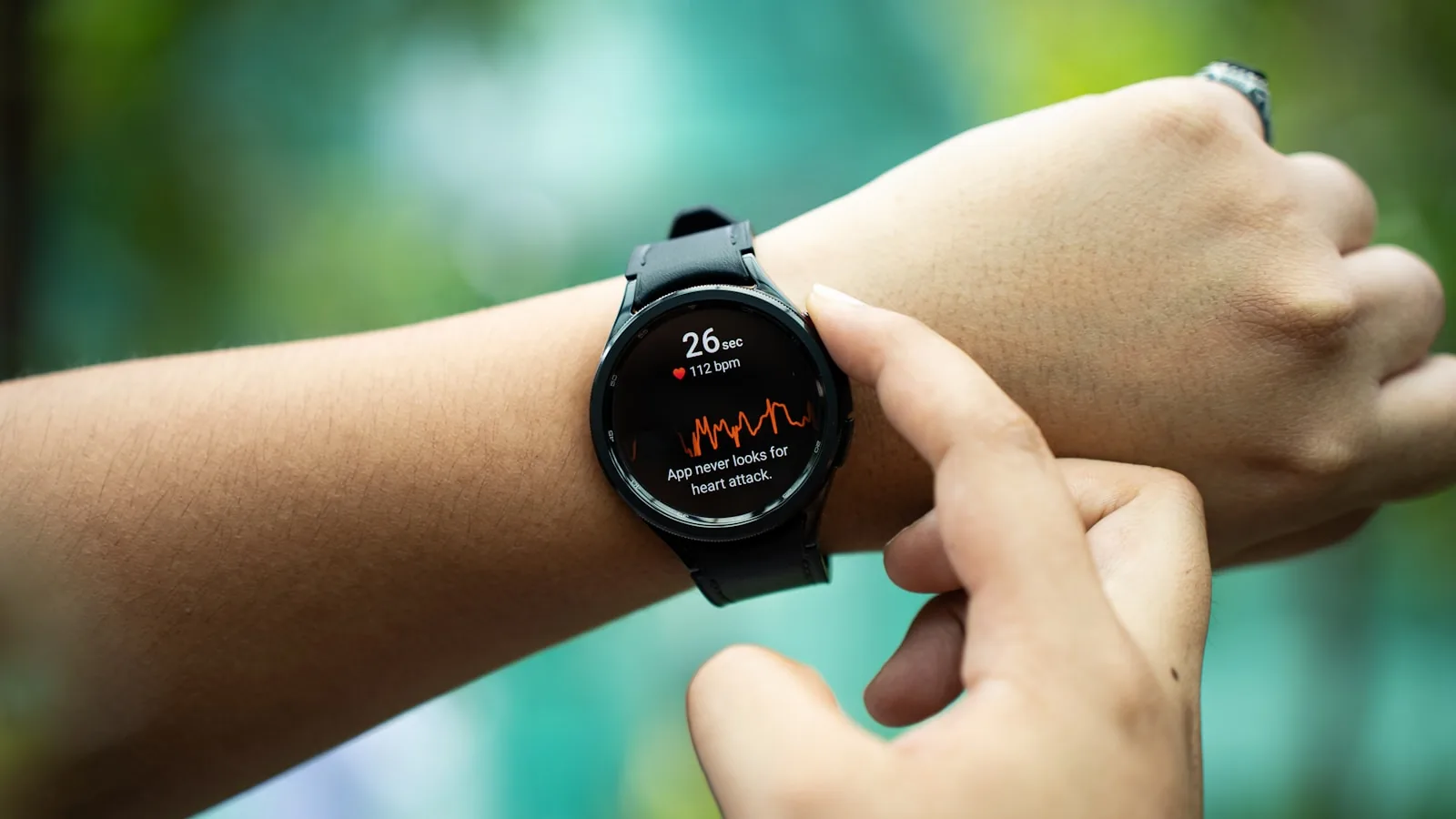
The best health tracker is not the one with the longest feature list. It is the device you can wear consistently and whose data helps you make one clear decision: move more, sleep better or train smarter.
Smartwatches and fitness trackers estimate heart rate, sleep, steps and recovery in different ways. Start with your goal rather than a brand. Below is a quick decision map, a metric comparison and a pre-purchase checklist.
The best tracker depends on your goal
These four scenarios cover most needs. If two fit, prioritise what you do most often.
Everyday health
Steps, resting heart rate, movement reminders and stress estimates.
Prioritise comfort and 5+ day battery.Running and training
GPS, heart-rate zones, pace, training load and recovery.
Prioritise reliable GPS and physical buttons.Sleep and recovery
Sleep duration and regularity, overnight heart rate and HRV trend.
Prioritise low weight and long battery.Smart everyday use
Notifications, calls, payments, music and apps on your wrist.
Check full phone compatibility.Which health metrics are actually useful?
A single number says little. A trend collected by the same device over several weeks is more useful when considered alongside how you feel, sleep and train.
| Goal | Useful metrics | What to check before buying |
|---|---|---|
| Daily activity | Steps, active minutes, resting heart rate | Comfort, battery, automatic workout detection |
| Sleep | Duration, regularity, overnight heart rate, HRV trend | Night comfort and enough battery |
| Endurance training | GPS, pace, distance, heart-rate zones, recovery | GPS battery, water resistance, buttons |
| Wellbeing | Breathing, stress estimate, movement breaks | Clear trends without notification overload |
How accurate are wrist-based measurements?
Optical heart-rate sensors generally perform best during steady efforts. Readings can lag during intervals, strength training, cold weather or when the strap is loose. For heart-rate-led training, look for a watch that supports a chest strap.
Sleep stages, stress, energy burn and recovery scores are algorithmic estimates, not laboratory measurements. Use them to notice patterns, not to diagnose a condition. Speak to a healthcare professional about unusual symptoms or readings.
5 steps before you buy
- 1
Choose one primary goal
Sleep, steps, training or smart features — this quickly removes irrelevant options.
- 2
Check compatibility
Confirm that every feature you want works with your specific Android phone or iPhone.
- 3
Estimate real battery use
Always-on display, GPS and cellular connectivity can reduce the quoted battery life significantly.
- 4
Choose the right size
Health data only helps if the watch fits well and you are comfortable wearing it overnight.
- 5
Review how the app explains data
A good app makes trends easy to understand and lets you export data when needed.
Health trackers currently in the iStore.ee catalogue
The selection below comes directly from in-stock catalogue data. When a model leaves the catalogue, it disappears from this article automatically.
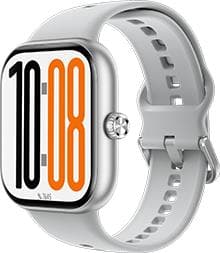
Honor Choice Watch 2 Pro White 1.97in AMOLED Smartwatch
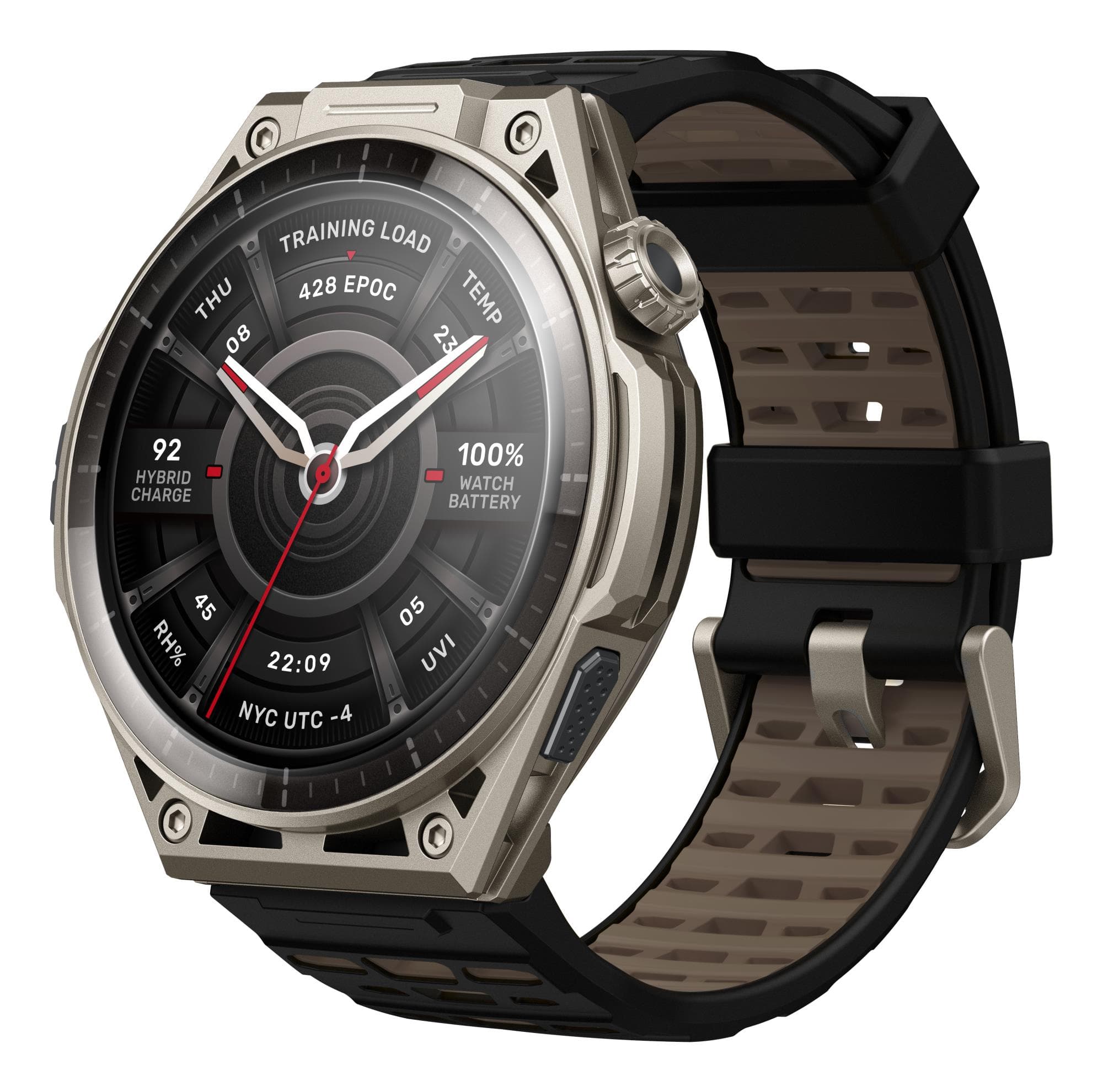
Amazfit Balance Ultra Titanium smartwatch 1.5 inch AMOLED
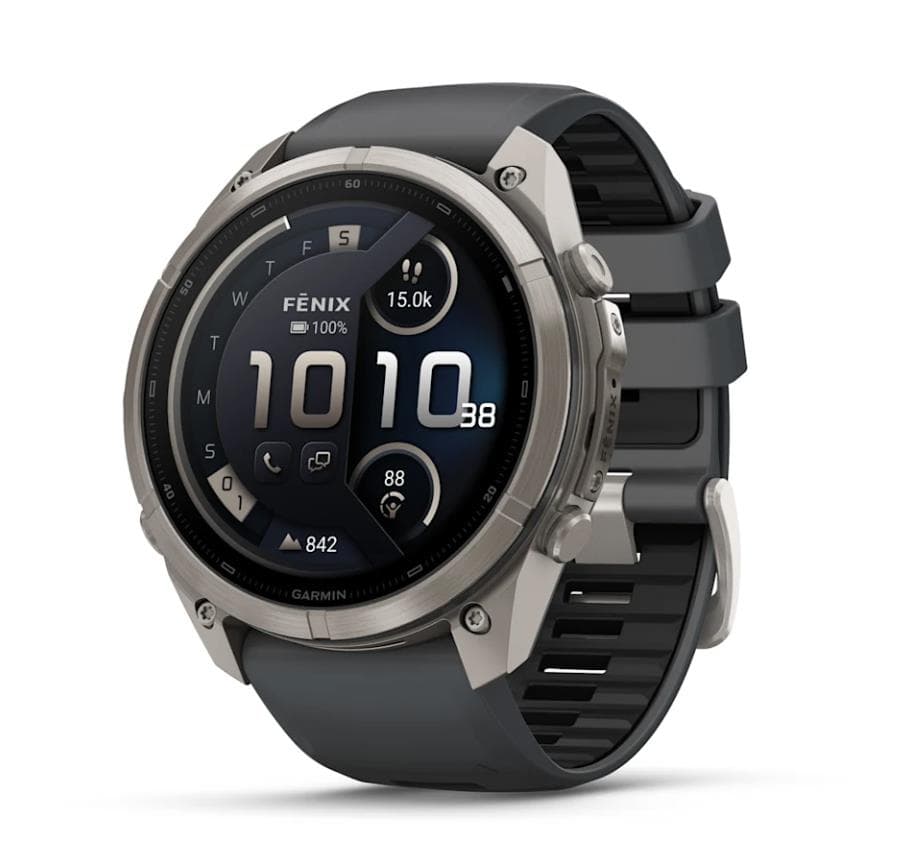
Garmin Fenix 9 Pro Titanium smartwatch with AMOLED display
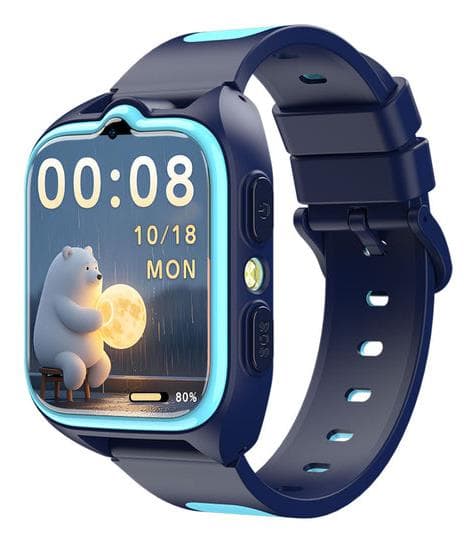
Blackview Z30 Blue Smartwatch 1.75 inch
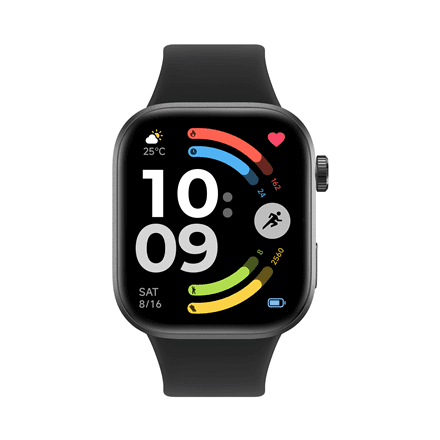
Xiaomi REDMI Watch 6 AMOLED GPS smart watch
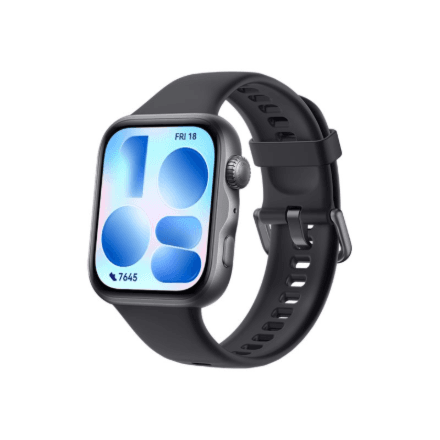
Huawei Watch FIT 5 Black Smartwatch
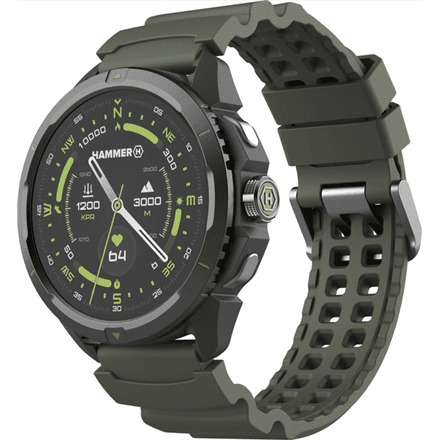
Hammer Watch 2 AMOLED 1.5" Military Smart Watch
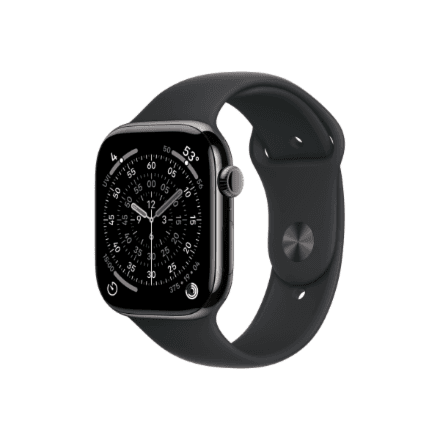
Apple Watch Series 11 46mm GPS Cellular Slate Titanium
How this selection works: we show up to eight in-stock models across different brands, favouring newer catalogue entries. This is not a paid ranking.
Frequently asked questions
Can a smartwatch replace a medical device?
No. Consumer wearables are useful for wellbeing and trend tracking, but they do not provide a diagnosis or replace a clinician or a validated medical device.
Do I need GPS built into the watch?
Built-in GPS is useful if you want to run or cycle without your phone. It is not essential for step counting or sleep tracking.
How often will I need to charge a tracker?
It depends on the screen, GPS and smart features. Choose a battery pattern that fits your routine; for sleep tracking, nightly charging is inconvenient.
Is a more expensive tracker always more accurate?
Not necessarily. Price may reflect materials, display, cellular service or apps. Fit, activity type and algorithms also affect accuracy.
Choose the device you will actually wear
Start with one goal, check phone compatibility and choose realistic battery life. For health tracking, a consistent trend is more valuable than one impressive metric.
Browse smartwatchesⓘ This health information is educational and is not medical advice. Features and measurement methods vary by model.