
Microphones
Microphones for streaming, podcasts and meetings: USB and XLR mics, lavaliers, wireless and karaoke models. Shure, Genesis, HyperX, Logitech Blue, Natec, Muse, ENDORFY, Trust.
Products
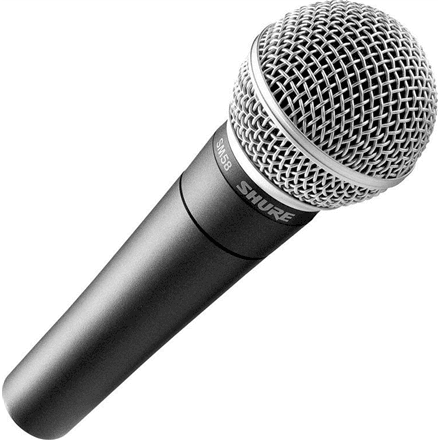
Shure SM58-LCE wired vocal microphone, 50-15 000 Hz, dark grey
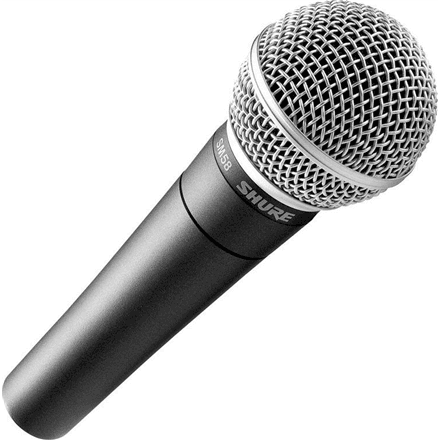
Shure SM58SE dynamic vocal microphone with on/off switch, dark grey
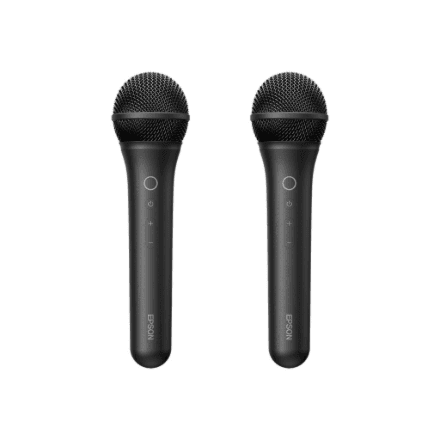
Epson ELPKM01 wireless karaoke microphone pair
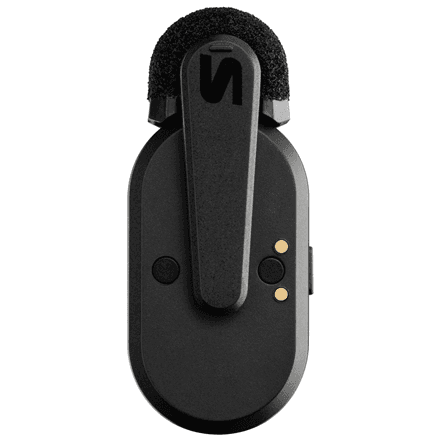
Shure AMV-LAV-Z6 microphone, charging case not included, Black

Logitech Blue Yeti Nano Black USB Microphone
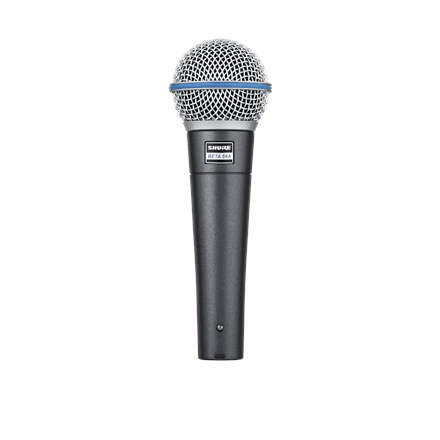
Shure BETA 58A vocal microphone, 50-16 000 Hz, dark grey
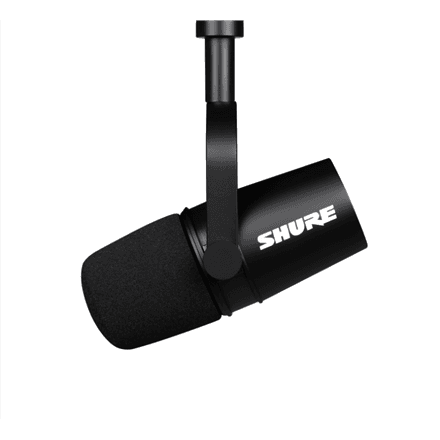
Shure MV7X dynamic podcast microphone, XLR, 50-16000 Hz
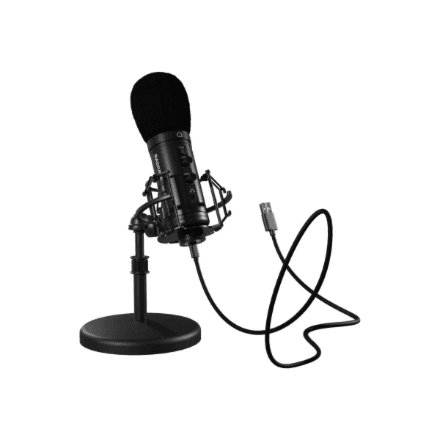
Genesis Radium 600 G2 Studio Microphone with USB and Stand
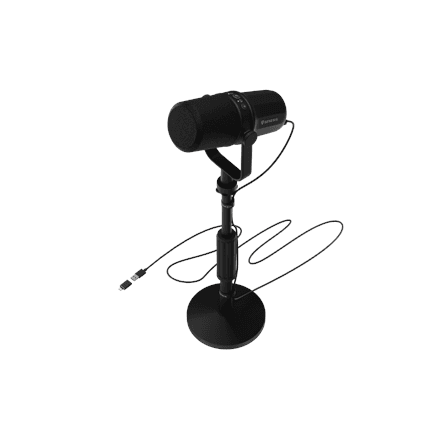
Genesis Radium 750D Microphone with Stand and XLR Cable, Black
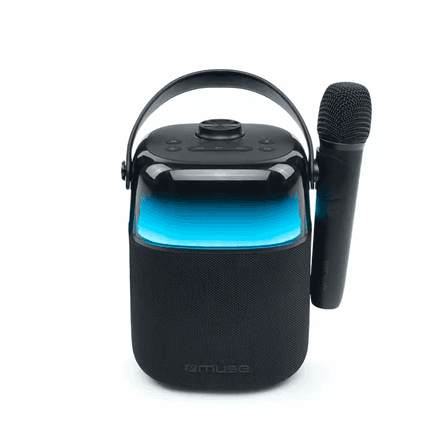
Muse M-520 KA Bluetooth karaoke microphone, black
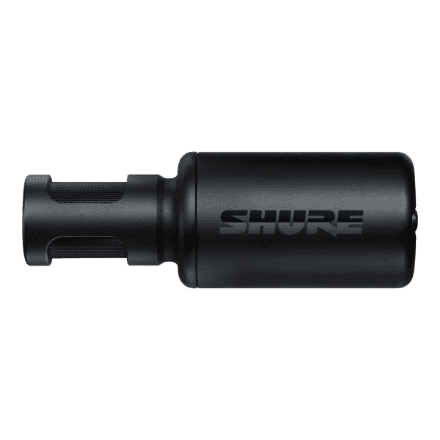
Shure MV88+ Video Kit microphone bundle with tripod and phone clamp
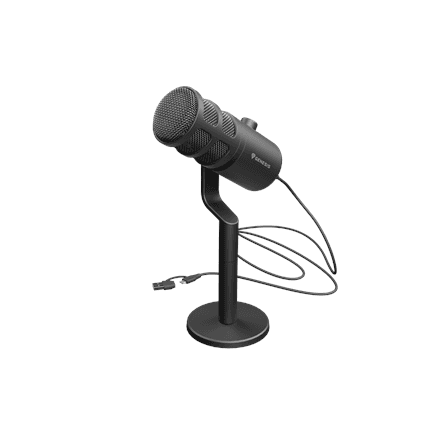
Genesis Radium 350D Dynamic Microphone, USB-A and USB-C, Black
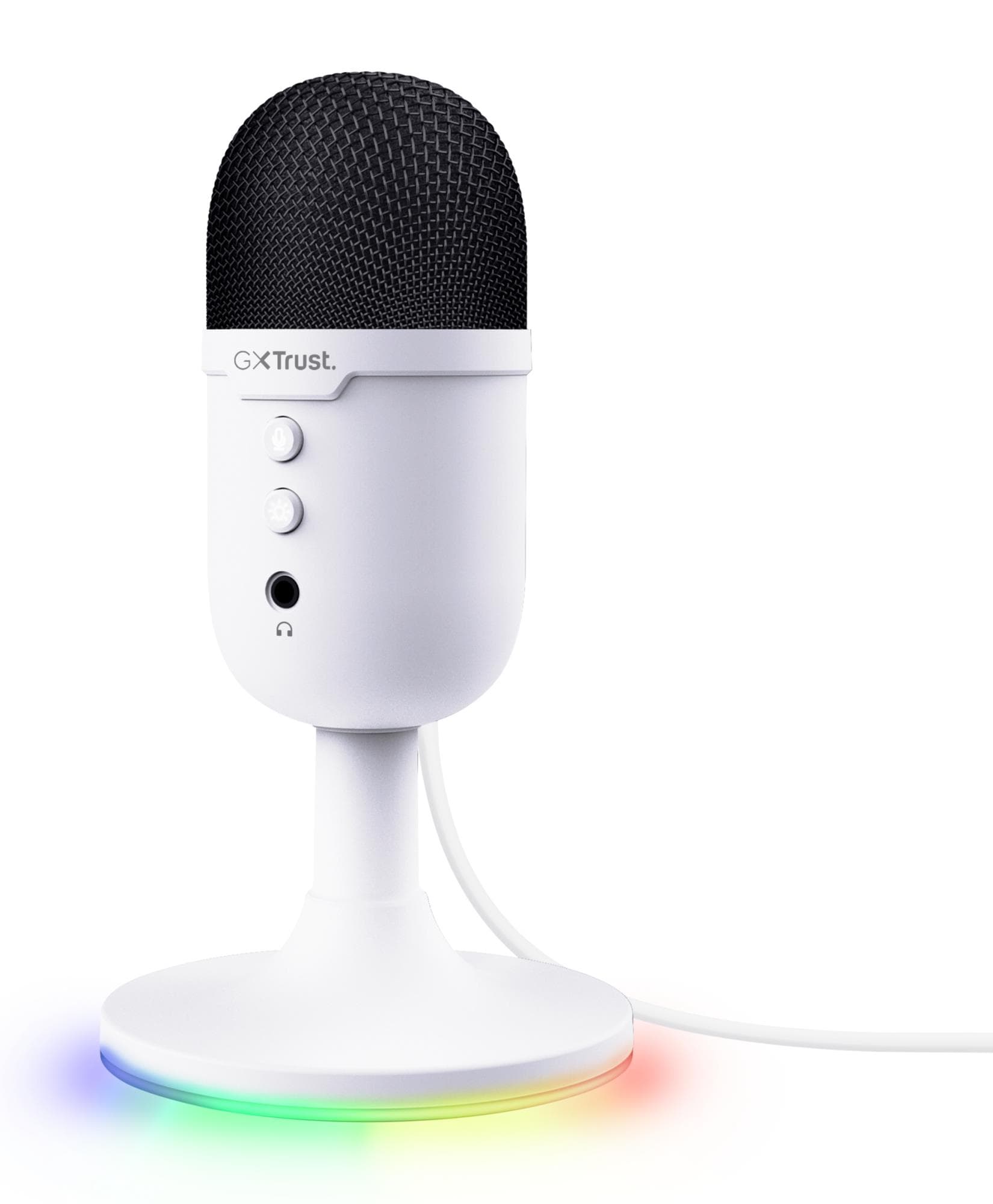
Trust GXT234W USB Table Microphone White
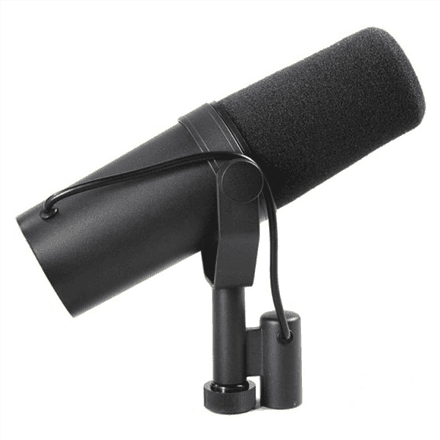
Shure SM7B dynamic vocal microphone, 50-20000 Hz, XLR
How to choose a microphone
A good microphone makes a stream, podcast or video call listenable — viewers forgive a mediocre picture but not hissing audio. Choose the mic around where and how you talk.
- Connection. A USB mic (Genesis Radium, Logitech Blue Yeti Nano, Shure MV7+) plugs straight into the computer and works at once. An XLR mic (Shure SM58, MV7X, Genesis Radium 750D) needs an audio interface or mixer but gives more control and lasts for decades.
- Type. A condenser mic is sensitive and detailed — for a quiet room. A dynamic mic (Shure SM58, MV7X, Genesis Radium 350D) picks up less room echo and keyboard clatter, so it suits an ordinary home office better.
- Polar pattern. Cardioid takes sound from the front and rejects the rear — the right choice for one speaker. Bidirectional suits an interview across a desk, omnidirectional a meeting table.
- Frequency range and sample rate. Speech needs no more than 50–16,000 Hz (the Shure SM58 and MV7X class). USB mics usually record at 48 kHz and 16–24 bit — more than YouTube or Zoom will ever transmit.
- Extras. A stand or desk clamp, a pop filter and a gain knob (Genesis Radium 250) keep the sound clean.
Microphones in our range
The core of the range is USB mics for streaming and podcasting: Genesis Radium 100 and 200 as the cheapest, Radium 250 and 251 with USB-C and RGB lighting, the Radium 400 G2 and 600 G2 condensers, Logitech Blue Yeti Nano, ENDORFY Solum Voice S, Trust GXT234 Yunix and, at the top, Shure MV7+ and HyperX ProCast. XLR mics for studio and stage — Shure SM58, BETA 58A, the SM57 for instruments and MV7X, Genesis Radium 750D with stand and cable. Lavalier and phone mics — Shure MVL, MV88+ Video Kit, the Shure AMV-LAV-Z6 wireless transmitter, the Natec Hopper USB-C pair and Natec NMI-2253 with ENC noise cancelling. Karaoke and wireless — Muse MC-30 WI and MC-50 WI, Muse M-508 KA and M-520 KA and Xiaomi and Gembird Bluetooth mics.
Brands
Shure is the benchmark for stage mics, and the MV series brings the same quality to podcasts and phones. Genesis offers the widest USB choice for gamers, from a couple of tens of euros to studio class. HyperX ProCast and Logitech Blue Yeti Nano are streamer favourites. Natec covers affordable lavaliers and conference mics, Muse karaoke and parties, and ENDORFY and Trust add a solid USB desk mic for the office.
Compatibility and delivery
A USB mic works with Windows, macOS and most Linux builds without drivers, and with PS5 and Xbox. For an XLR model, budget for an interface or mixer; a condenser mic needs 48 V phantom power. Microphones ship to an Omniva, DPD or Venipak parcel locker in 1–2 working days.
Related products
Build the kit: a webcam for the picture, headphones for monitoring and streaming gear for lighting and capture. A meeting room calls for conference systems, the desk for computer speakers — the full selection is in peripherals.
Frequently asked questions
USB or XLR? USB if you want to plug in and talk; XLR if you plan on a mixer, several mics or a microphone that lasts 20 years.
Condenser or dynamic? In a quiet, treated room a condenser; in an echoey room or next to a keyboard a dynamic — it simply does not hear the background.
What is cardioid? A polar pattern that picks up sound in front of the mic and rejects it from the sides and rear.
Does the mic work with a phone? A 3.5 mm lavalier (Shure MVL) and USB-C models (Natec Hopper, NMI-2253) work with a smartphone directly; a USB-A mic needs an OTG adapter.
Do I need a pop filter? If you speak closer than 10 cm, yes — it removes the plosive pops on p and b sounds.