
TVs
TVs 24–115″: OLED, Mini-LED, QLED and LED, 4K, 120 Hz and HDMI 2.1 for gaming, webOS, Tizen, Google TV. LG, Samsung, Sony, Philips Ambilight, TCL, Hisense, Xiaomi, Sharp.
How to choose a TV
A TV is bought for 7–10 years, so choose it by viewing distance, room lighting and content, not by price per inch. Six things matter most.
- Screen size and distance. The 4K rule: 1.5–2 m — 43–50″, 2–2.5 m — 55″, 2.5–3 m — 65″, 3–3.5 m — 75″, over 3.5 m — 85–100″. When in doubt, go bigger — too small is the most common regret.
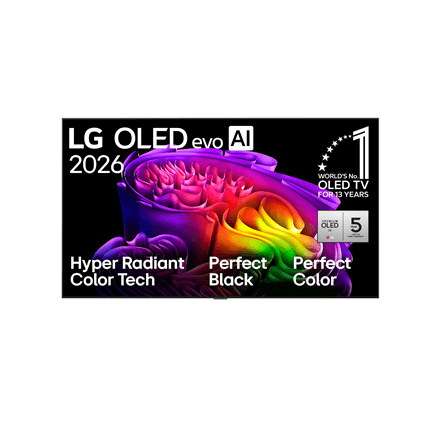
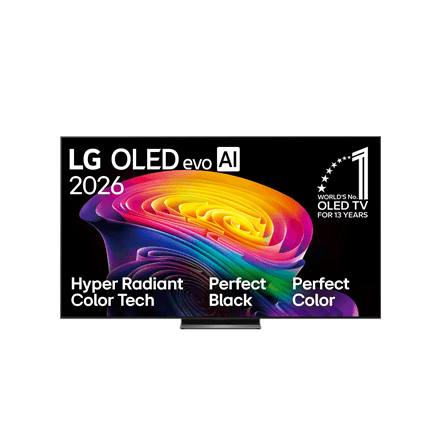
- Panel type. LED is affordable. QLED adds quantum dots for more colour and brightness. Mini-LED dims the backlight in hundreds of zones — the best pick for a bright room. OLED switches every pixel off individually — perfect black for a dim home cinema.
- Resolution. 4K is the standard from 43″ up, and every TV we sell from 50″ is 4K; Full HD is enough at 24–40″. Do not pay extra for 8K — there is practically no content.
- Refresh rate and gaming. 60 Hz is fine for films. For a PS5 or Xbox Series X pick 120 Hz and HDMI 2.1 with VRR and ALLM — smooth 4K/120 and input lag under 10 ms.
- HDR and sound. Dolby Vision adjusts the HDR picture scene by scene. In a sunny room peak brightness matters: 300–400 nits for LED, 600–1000+ nits for Mini-LED and OLED evo. Dolby Atmos pays off with a soundbar.
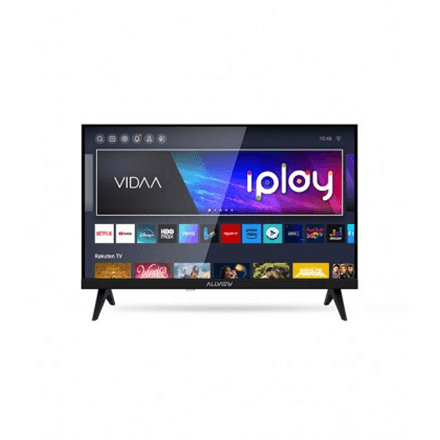
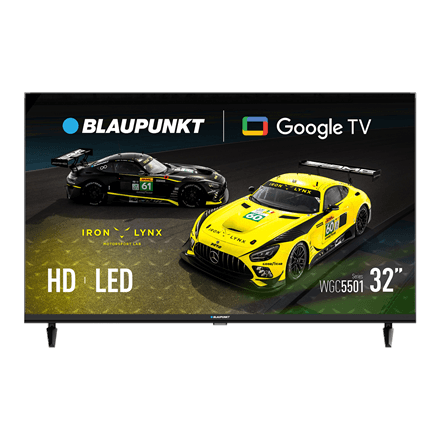
- Smart platform and tuner. webOS (LG), Tizen (Samsung), Google TV (Sony, TCL, Xiaomi), Titan OS (Philips), VIDAA (Hisense). In Estonia check for a DVB-T2/C/S2 tuner and a CI+ slot: then aerial and cable work without an extra box.
TVs in our range
From a 24″ kitchen TV to a 115″ home cinema. OLED TVs: LG C6 and G6 evo Gallery, Philips OLED820 with Ambilight, Samsung S85F. Mini-LED TVs for a bright living room: LG QNED85 and Mini RGB evo, Samsung Neo QLED QN85F, TCL Q6C QD-Mini LED, Xiaomi S Mini LED, Sharp JP7265E. QLED TVs: Xiaomi QLED TV A Pro 32–75″, TCL T69C, Hisense E7, Philips PQS Ambilight, Blaupunkt QBG. LED TVs for everyday viewing: LG NANO, Hisense A6, Philips PUS, Sharp HP, Sony Bravia 2 and 3. Small 24–32″ kitchen TVs: Philips, LG, Sharp and Xiaomi.
Brands
LG leads OLED: fast webOS and HDMI 2.1 ports make the C6 a gamers' favourite. Samsung stands out for Neo QLED brightness and Tizen apps. Sony Bravia delivers the most natural picture processing. Philips is the only one with Ambilight (an LED strip lighting the wall). TCL gives the most inches per euro, Hisense is affordable 4K with fast VIDAA. Xiaomi is the value hit, Sharp, Blaupunkt and Dahua cover the cheapest end.
Installation and delivery
From 50″ a TV counts as a bulky item: we deliver it by bulky-goods courier anywhere in Estonia, smaller models by standard courier. Measure first: a 65″ TV is about 145 cm wide, 75″ is 167 cm, 85″ is 190 cm. For wall mounting match the bracket to the VESA pattern (200×200 to 600×400 mm).
Related products
A soundbar with Dolby Atmos turns the sound into cinema, a TV mount puts it on the wall, and if 85″ is not enough, look at projectors. For music there are Hi-Fi speakers, for gaming gamepads — the full range is in TV and audio.
Frequently asked questions
OLED or QLED — which should I pick? For films in a dim room, OLED: perfect black. In a sunny living room a brighter QLED or Mini-LED is more practical.
What size TV for a 3 metre distance? For 4K, 65″, or 75″ for a film lover. 55″ is already small from 3 m.
Is 120 Hz a must for a PS5 or Xbox? No, but the difference is noticeable: 120 Hz and HDMI 2.1 give twice as smooth motion. Occasional gamers are fine with 60 Hz.
Will the TV show Estonian channels without a set-top box? Free-to-air channels (ETV, ETV2, ETV+ and others) come in via an aerial on any DVB-T2 TV. Telia and Elisa packages need the operator's box or app.
Does OLED suffer from burn-in? Modern panels shift pixels and refresh themselves — with normal viewing there is no risk. If the same logo sits on screen 8 hours a day, Mini-LED is the safer choice.