
Refrigerators
Fridges: fridge-freezers with No Frost, Side by Side, built-in, under-counter and retro models. LG, Beko, Gorenje, Candy, Indesit, Midea, TCL, Whirlpool.
How to choose a fridge
A fridge is the one appliance that runs 24 hours a day, year after year. That is why it pays to choose calmly: the right size, type and energy class save both your nerves and your electricity bill.
- Capacity. Rule of thumb: 100–150 litres for the first person and 50 litres for each additional one. Two people need 200–250 l in total, a family of four 300–400 l. Check fridge and freezer volumes separately — both are listed on the product page.
- Type and height. A fridge-freezer (170–205 cm) is the most common; a bottom freezer is more convenient because the fridge shelves stay at eye level. A 55 cm wide model fits a narrow kitchen, a Side by Side suits a big family.
- No Frost. Fan-assisted cooling stops ice building up, so you never defrost. A static (Less Frost) fridge needs manual defrosting, but costs less and runs more quietly.
- Energy class. The scale runs A–G. A class C or D fridge uses 150–200 kWh a year, class E 230–280 kWh. On a large fridge the difference shows on the bill.
- Noise. For an open-plan kitchen choose a model under 38 dB — inverter compressor fridges are quieter and last longer.
- Door and interior. A reversible door, glass shelves, a separate fresh zone (0 °C) for vegetables and meat, a water dispenser or ice maker — details that make everyday use comfortable.
Fridge types in our range
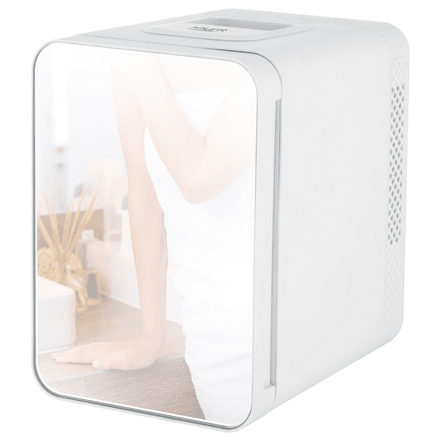
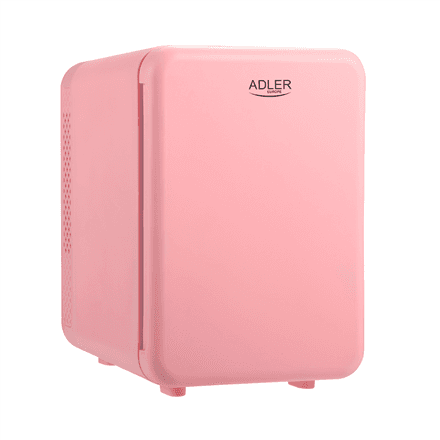
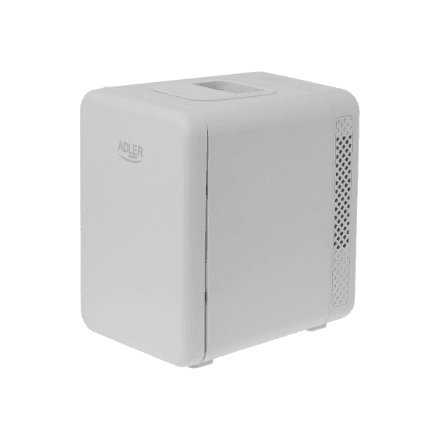
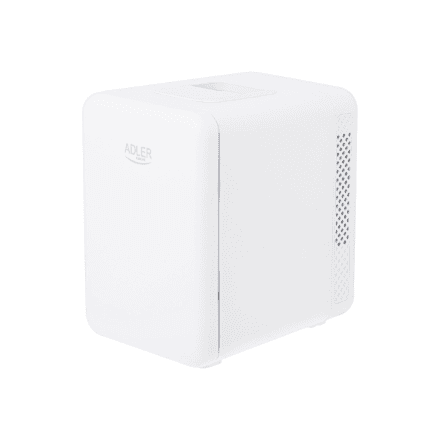
Fridge-freezers (170–205 cm, 250–460 l) are the backbone of the range: Beko, Candy, Gorenje, Indesit, LG, Midea, TCL, Whirlpool and Dreame, most with No Frost. A Side by Side fridge with two doors holds a large family's weekly shop. A built-in fridge hides behind kitchen cabinetry. An under-counter fridge (90–120 l, 83–86 cm tall) suits an office, a summer house or a second fridge. Retro fridges by ETA Storio in red and cream are a kitchen centrepiece. And tiny 4-litre mini fridges by Adler chill cosmetics or a couple of drinks.
Brands
LG backs its linear compressor with a 10-year warranty and offers DoorCooling+ for even cooling. Whirlpool is the classic of quality and quiet running. Beko HarvestFresh lighting keeps vitamins in vegetables longer. Gorenje, Candy and Indesit are safe choices at a sensible price; Midea, TCL and Dreame bring No Frost and inverter technology to the most affordable end.
Delivery
A fridge is a bulky item and comes by courier anywhere in Estonia. Before ordering, measure doorways and the space in the kitchen: a fridge needs a 5–10 cm gap from the back wall. After transport, let it stand upright for 4–6 hours before switching on.
Related products
For bigger frozen stocks see freezers, for wine lovers wine coolers, and a vacuum sealer keeps food fresh in the fridge twice as long. The full selection is in home appliances.
Frequently asked questions
No Frost or a conventional fridge? No Frost if you never want to defrost and the freezer sees heavy use. A static fridge is cheaper, quieter and keeps the air more humid, which suits vegetables.
What size fridge for a family of four? 300–400 litres in total, of which 90–120 l freezer. If you shop for the week ahead, go bigger.
Is energy class E bad? No — the new scale is strict and class E is today's market average. Classes C and D save roughly 50–100 kWh a year.
What is an inverter compressor? The compressor varies its speed smoothly instead of switching on and off. The result: quieter running, steadier temperature and lower consumption.
Can the door be hung on the other side? On most freestanding models, yes — the product page says “reversible door”.