
Best robot vacuums 2026: a practical buying guide
Which robot vacuum is best for a home with pets, carpets or mopping needs? We explain what actually matters — suction power, navigation, the dock — without the marketing noise.
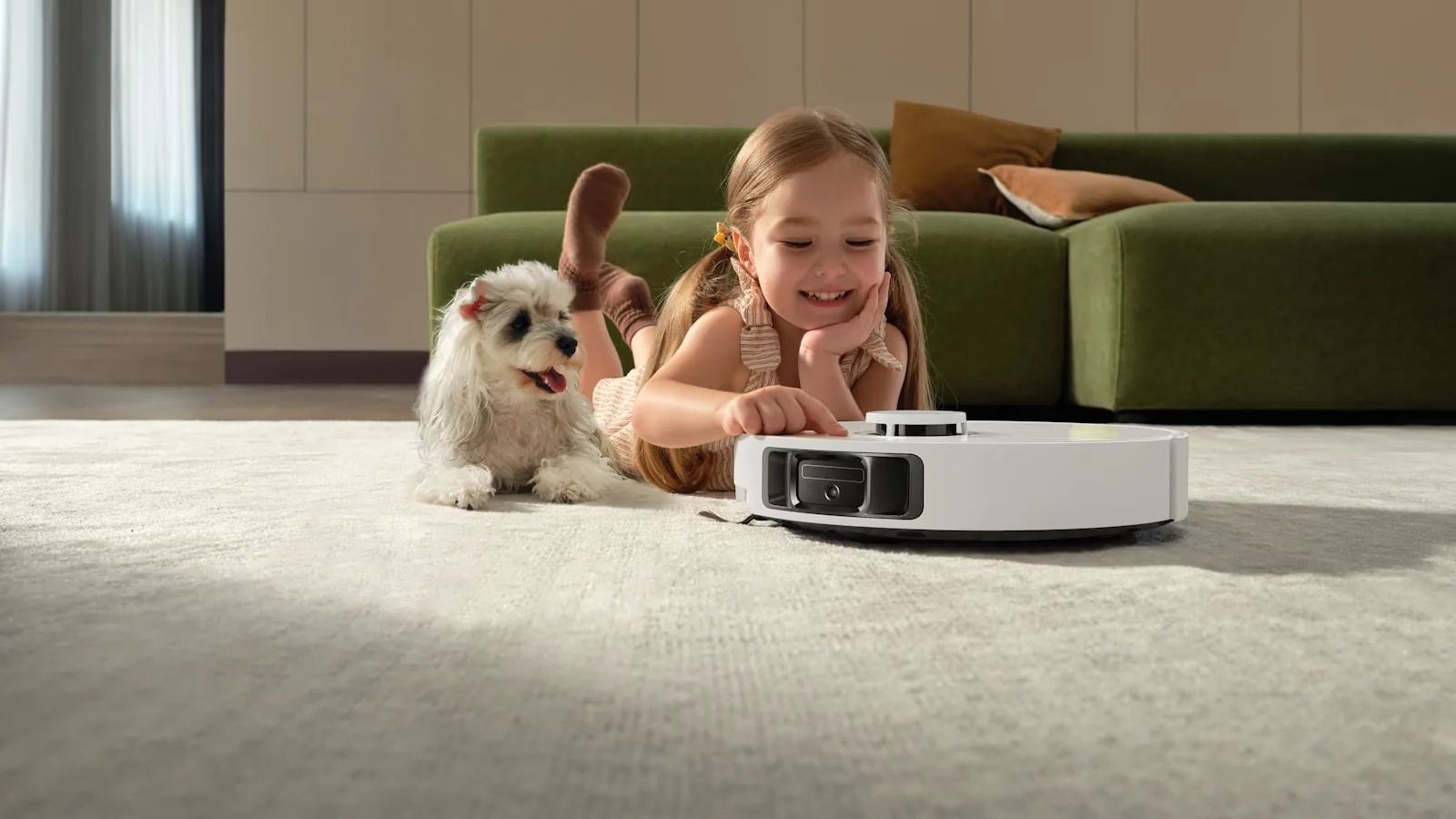
A robot vacuum is one of the few appliances that genuinely gives you time back: floors stay clean without anyone lifting a finger. But only if the robot suits your particular home — the wrong model gets stuck between chair legs, fails on pet hair in carpets or demands more maintenance than cleaning by hand would take.
In shops, robots are compared mostly by suction power (Pa), yet that number alone says little. Navigation type, brush design, mopping ability and how much work the dock does for you matter just as much. Below is a quick decision map, a comparison table and a pre-purchase checklist.
The best robot depends on your home
These four scenarios cover most homes. If two apply, choose by the more demanding one — it pays to buy slightly more capability than you think you need.
Small flat, hard floors
Parquet, laminate, tile — dust, crumbs and daily upkeep.
A basic LiDAR model is enough.Pets and carpets
Hair, sand, deep carpet cleaning and tangled brushes.
Choose strong suction and anti-tangle brushes.Mopping
Kitchen and hallway stains; vacuum and mop in one pass.
Look for a washable, lifting mop.Full automation
The robot empties itself, washes and dries mops, refills water.
An all-in-one dock does everything.Which features actually matter?
A big Pa number sells robots, but the result comes from suction, brushes, navigation and the dock working together. The table links your goal to the right specs.
| Goal | What matters | What to check before buying |
|---|---|---|
| Pet hair and carpets | Suction power, brush material, carpet detection | Whether the robot lifts its mop on carpet |
| Mopping | Mop pressure and rotation, water tank size | Whether the dock washes and dries the mop itself |
| Navigation | LiDAR mapping, obstacle recognition, cleaning zones | No-go zones and multi-floor maps in the app |
| Less maintenance | Self-emptying dock, dust bag capacity, filters | Price and availability of consumables |
Is suction power really the main thing?
No. Pascals measure the motor's maximum pull in a lab, not how clean your floor gets. Smart brush geometry, tight floor contact and an efficient route often make an 8,000 Pa robot outperform a random 20,000 Pa one. So read what the maker specifically promises: deep carpet cleaning, hair-proof anti-tangle brushes, threshold climbing.
The other underrated side is day-to-day maintenance. Without a self-emptying dock, the robot's dustbin needs emptying after almost every run — and a robot you have to bend down for daily quickly loses its point. A self-emptying dock, washable mops and easily replaceable filters are worth more in daily life than extra thousands of pascals.
5 steps before you buy
- 1
Map your home
Floor types, number of carpets, thresholds and furniture height narrow down the right robot faster than any ranking.
- 2
Choose the navigation level
LiDAR builds an accurate map and works in the dark; AI cameras recognise cables and toys — a big plus in a home with kids or pets.
- 3
Decide how serious the mopping should be
A simple pad only dampens the floor; a proper system scrubs and washes itself. With lots of tile and parquet, go for the proper one.
- 4
Judge the dock honestly
Self-emptying and mop washing cost more but make the robot truly autonomous. Check the dock's dimensions and where it will live.
- 5
Count the consumables
Filters, brushes, mops and dust bags wear out. Check their price and availability before buying, not after.
Robot vacuums currently in the iStore.ee catalogue
The selection below comes directly from in-stock catalogue data. When a model leaves the catalogue, it disappears from this article automatically.
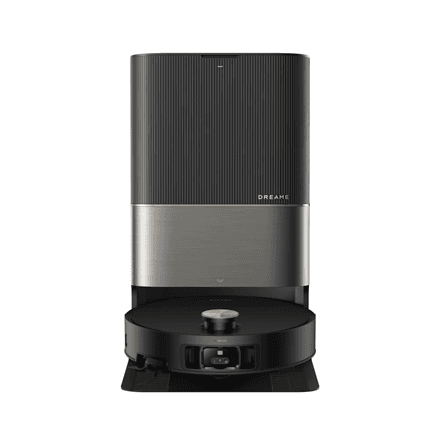
Dreame X50 Ultra robot vacuum cleaner, wet and dry, 260 min
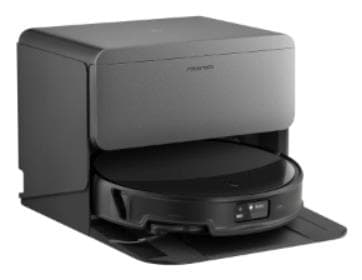
Roborock Saros 20 robot vacuum and mop, 36000 Pa, LiDAR
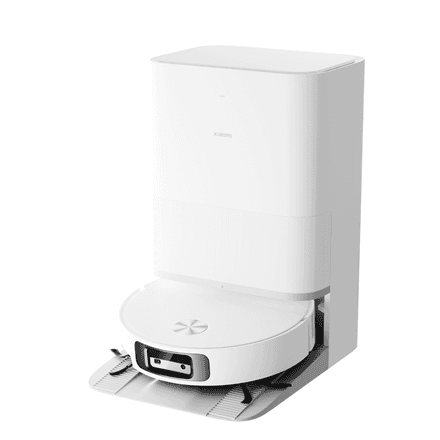
Xiaomi Robot Vacuum 6 EU robot vacuum, 30000 Pa, wet and dry cleaning
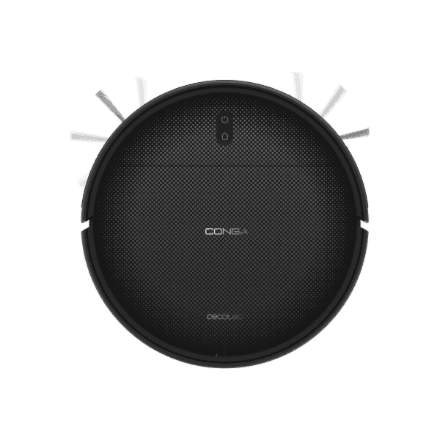
Cecotec Conga M10 Advance robot vacuum, 3000 Pa, 150 minutes
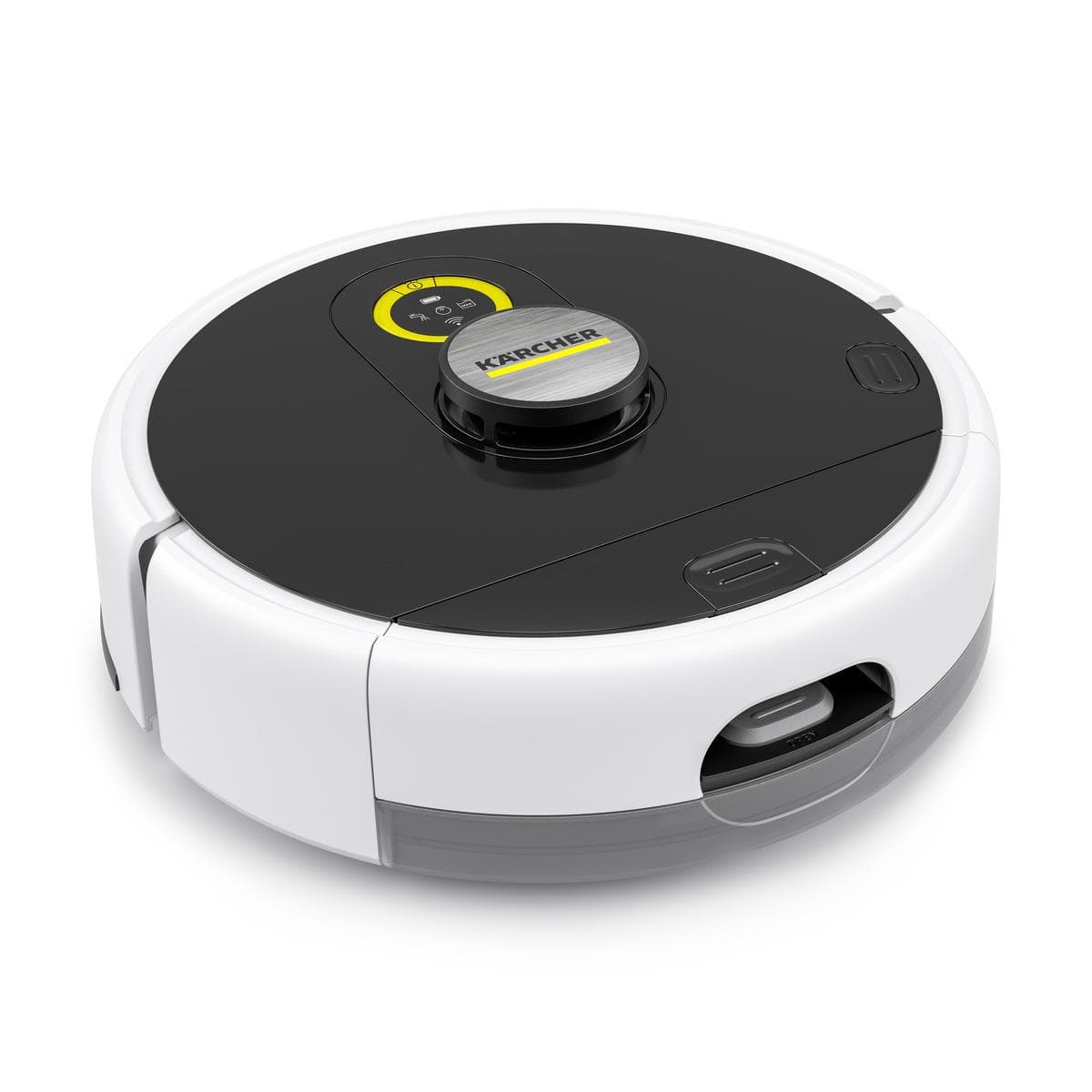
Kärcher RCF 3 robot vacuum cleaner with mopping
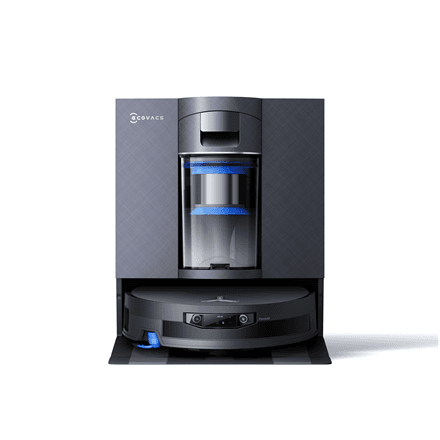
Ecovacs DEEBOT X12 OmniCyclone wet and dry robot vacuum cleaner
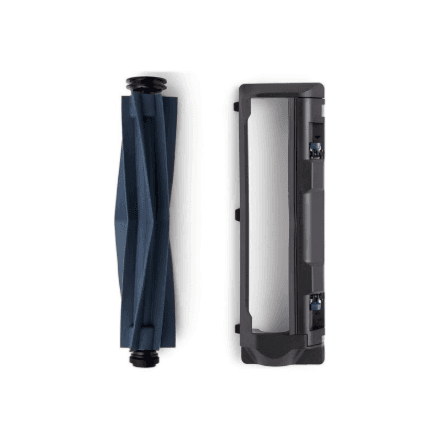
Anker Eufy X10 Pro Omni Rolling Brush With Brush Guard
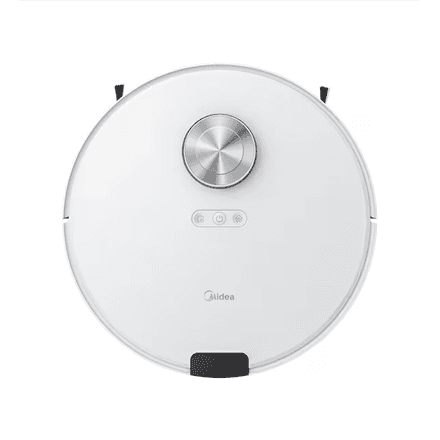
Midea M9 Wet & Dry Robot Vacuum Cleaner – 4000 Pa
How this selection works: we show up to eight in-stock models across different brands, favouring newer catalogue entries. This is not a paid ranking.
Frequently asked questions
Does a robot replace a regular vacuum cleaner?
Mostly yes — for everyday dust and crumbs. Corners, stairs, furniture and the car remain a job for a stick vacuum, so most homes run both: the robot handles the routine, the handheld does the details.
How many pascals (Pa) are enough?
4,000–6,000 Pa is enough for hard floors. With carpets and pets, look at 8,000+ Pa and, above all, at the brush design — an anti-tangle brush matters more for hair than extra thousands of pascals.
LiDAR or camera — which navigation is better?
LiDAR builds an accurate map and works even in a dark room — a solid baseline. An AI camera adds recognition of small obstacles: cables, toys, pet accidents. The best models combine both technologies.
Is robot mopping actually useful?
It depends on the mop. A simple damp pad only moistens the floor. Spinning or vibrating mops that the dock washes and dries itself genuinely keep tile and parquet clean — those are the ones to look at if mopping is why you are buying.
Choose the robot that fits your home
Start by mapping your home, match the navigation and mop to your floors and judge the dock's value honestly. The best robot vacuum is the one that works every day without your help — not the one with the biggest number on the box.
Browse robot vacuumsⓘ Features, permitted uses and maintenance requirements vary by model — always follow the manufacturer's instructions.