
Best smartphones 2026: a practical buying guide
Which smartphone is best for everyday use, photography or gaming? We explain what actually matters — battery, camera, display, updates — without the marketing noise.

A smartphone is the one device that is with you from morning to night — which is exactly why a bad choice punishes you daily. A weak battery means evening charger anxiety, a mediocre camera ruins holiday photos, and a slow phone irritates you at every unlock. At the same time, the best phone is not the most expensive one: most people pay for power they never use.
In the shop, phones are compared mostly by megapixels and gigabytes, but the real experience is made elsewhere: battery life, display quality, camera software and how many years of updates the device will receive. Below is a quick decision map, a comparison table and a pre-purchase checklist.
The best phone depends on how you use it
These four profiles cover most buyers. If two apply, choose by the more demanding one — phones tend to stay in service longer than planned.
Everyday use
Messaging, banking apps, maps, music and social media.
Mid-range is enough: a big battery and 128+ GB of storage.Photos and video
Travel, kids, pets — shots that must work in low light too.
Look at sensor size and sample photos, not megapixels.Gaming and performance
Demanding games, video editing, many apps at once.
Choose a strong processor, a 120 Hz display and good cooling.Buying for the long run
A phone that lasts 4–5 years without making you want to replace it.
Check the update promise and battery serviceability.Which specs actually matter?
Megapixels and gigabytes sell phones, but the daily experience comes from battery, display, camera software and updates working together. The table links your goal to the right specs.
| Goal | What matters | What to check before buying |
|---|---|---|
| Battery and charging | Capacity (mAh), display efficiency, charging speed | Whether a full day ends with margin; is a charger included |
| Camera | Sensor size, optical stabilisation, night mode | Low-light sample photos, not the megapixel count |
| Display | OLED/AMOLED, 90–120 Hz, outdoor brightness | Whether it is readable in sunlight and smooth when scrolling |
| Longevity | Years of updates, storage size, build protection | The maker's update promise and the IP rating |
Are megapixels and gigabytes really the main thing?
No. 200 megapixels on a small sensor produce a worse photo than 50 on a large one — in the dark, the amount of light decides, not the pixel count. Modern phone photography is half software: the same sensor gives completely different results from different makers. That is why the only honest comparison is sample photos, especially in low light and with motion. Optical stabilisation (OIS) matters more for night shots than any number on the box.
The same goes for performance: RAM figures and benchmark scores do not tell you how the phone will feel in two years. The update promise matters far more — a device that receives security patches and OS updates for 5–7 years is genuinely cheaper than a bargain model that falls behind in two. Check storage too: 128 GB is today's sensible minimum, photos and apps keep growing, and most models no longer have a memory card slot.
5 steps before you buy
- 1
Set your budget and ecosystem
iOS or Android — if your family shares apps and accessories, stay with the same system. Mid-range (€300–600) covers most needs.
- 2
Choose the size by hand, not by spec sheet
A 6.7-inch display is great for video but clumsy one-handed. Anything over 220 g is noticeable every day.
- 3
Check the battery and charging
For Android, 5000 mAh is a good benchmark. Check the charging speed and whether the adapter is in the box — often it is not.
- 4
Judge the camera by sample photos
Look for night shots and motion shots of that exact model in reviews. Sensor size and OIS tell you more than megapixels.
- 5
Look at the update promise
4–5 years of updates should be the minimum. It decides how long the phone stays secure and fast — and what it is worth at resale.
Smartphones currently in the iStore.ee catalogue
The selection below comes directly from in-stock catalogue data. When a model leaves the catalogue, it disappears from this article automatically.
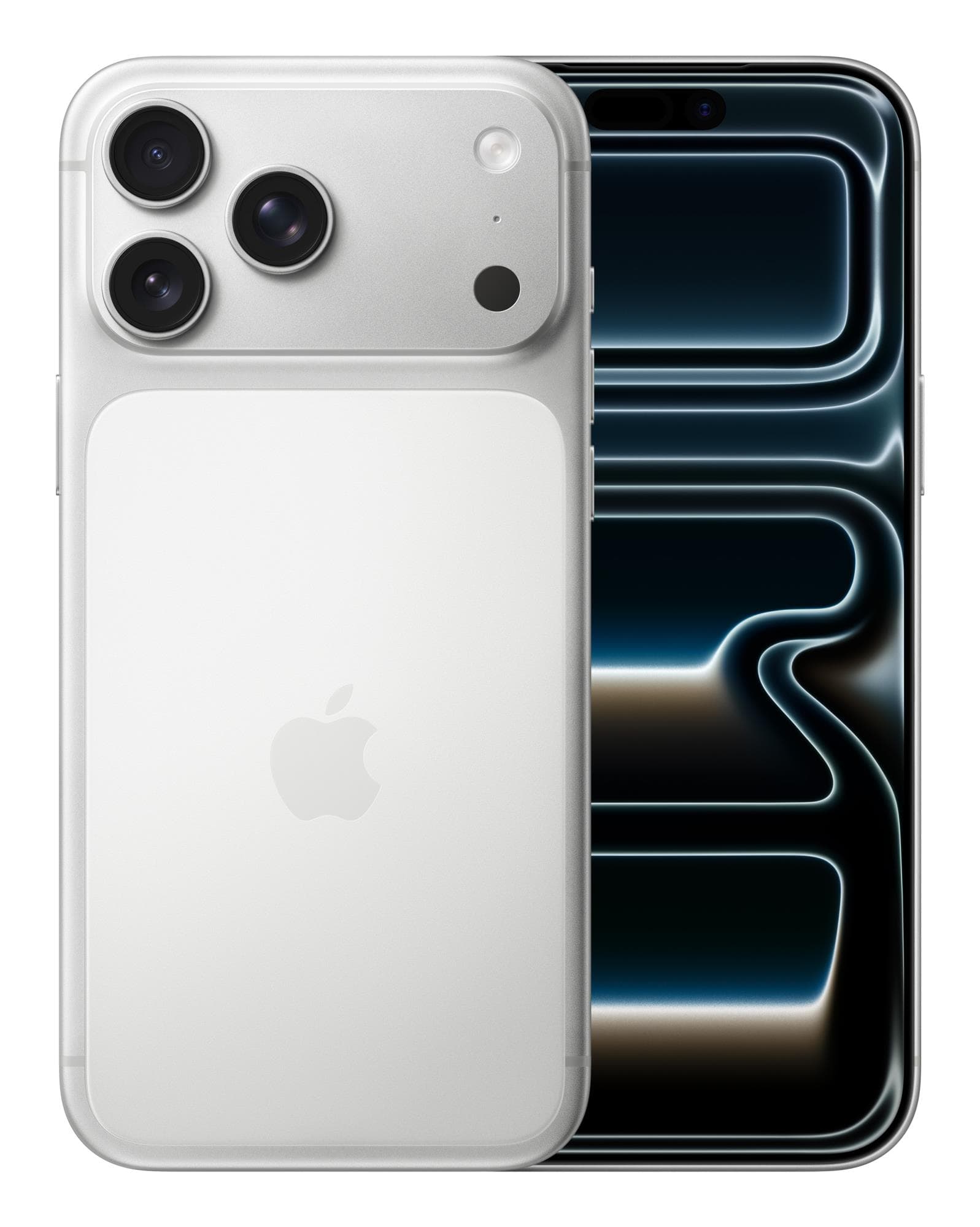
Apple iPhone 17 Pro Max 256GB Silver 5G smartphone
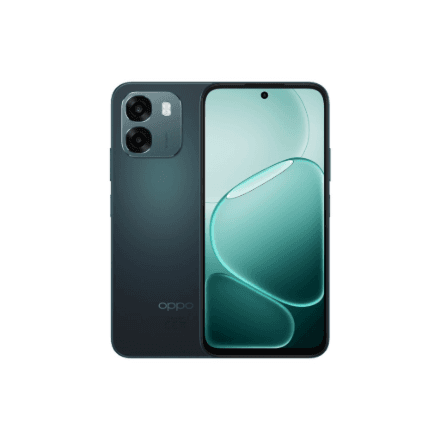
OPPO A6 4G (CPH2817) 256GB 6GB RAM Sapphire Black smartphone
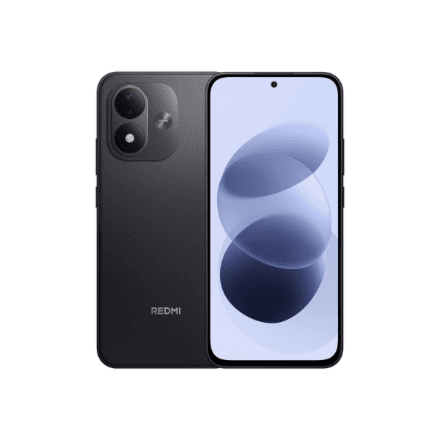
Xiaomi Redmi Note 17 Black 128GB 4GB RAM smartphone
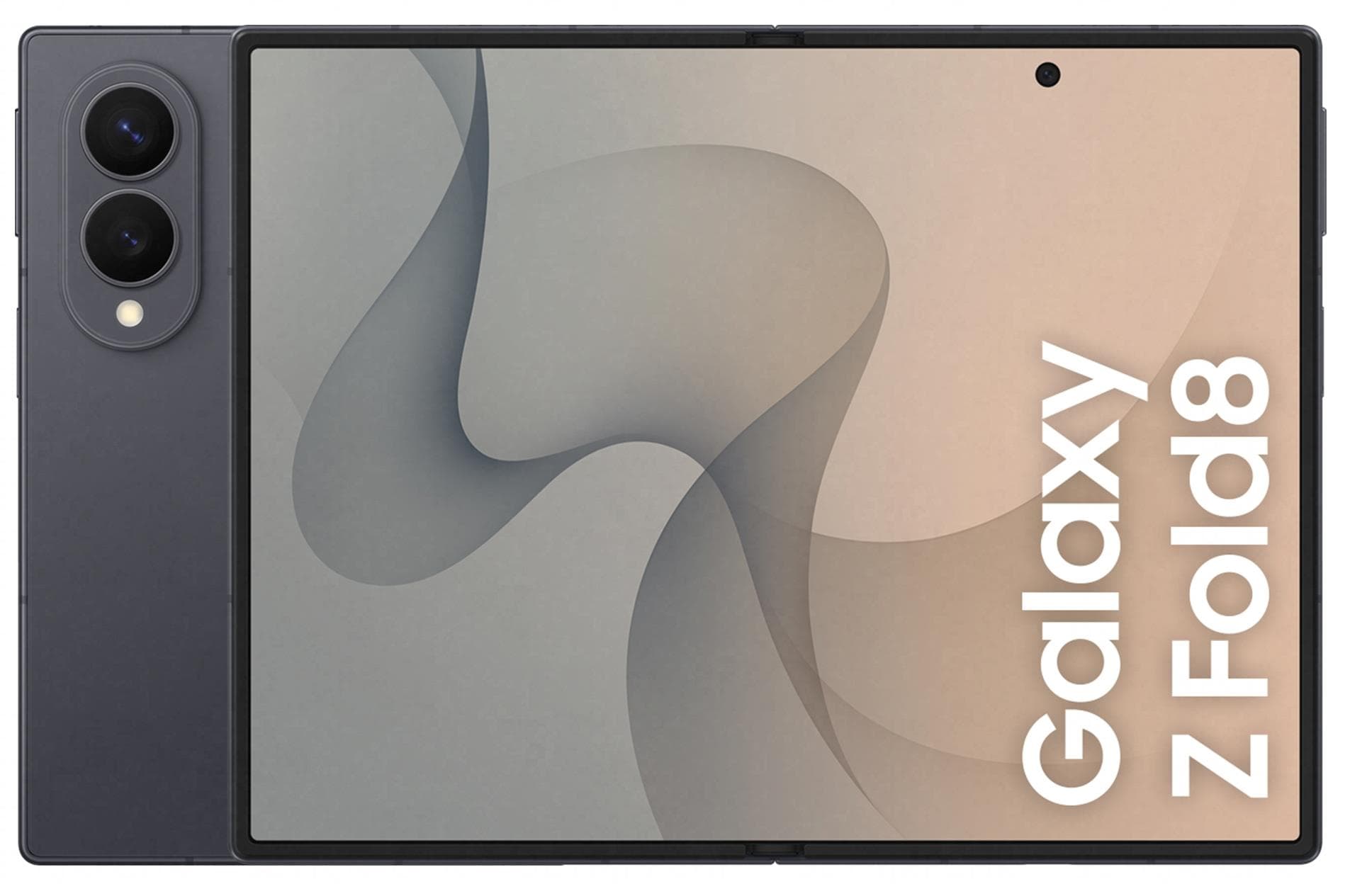
Samsung Galaxy Fold 8 512GB 5G Smartphone Graphite
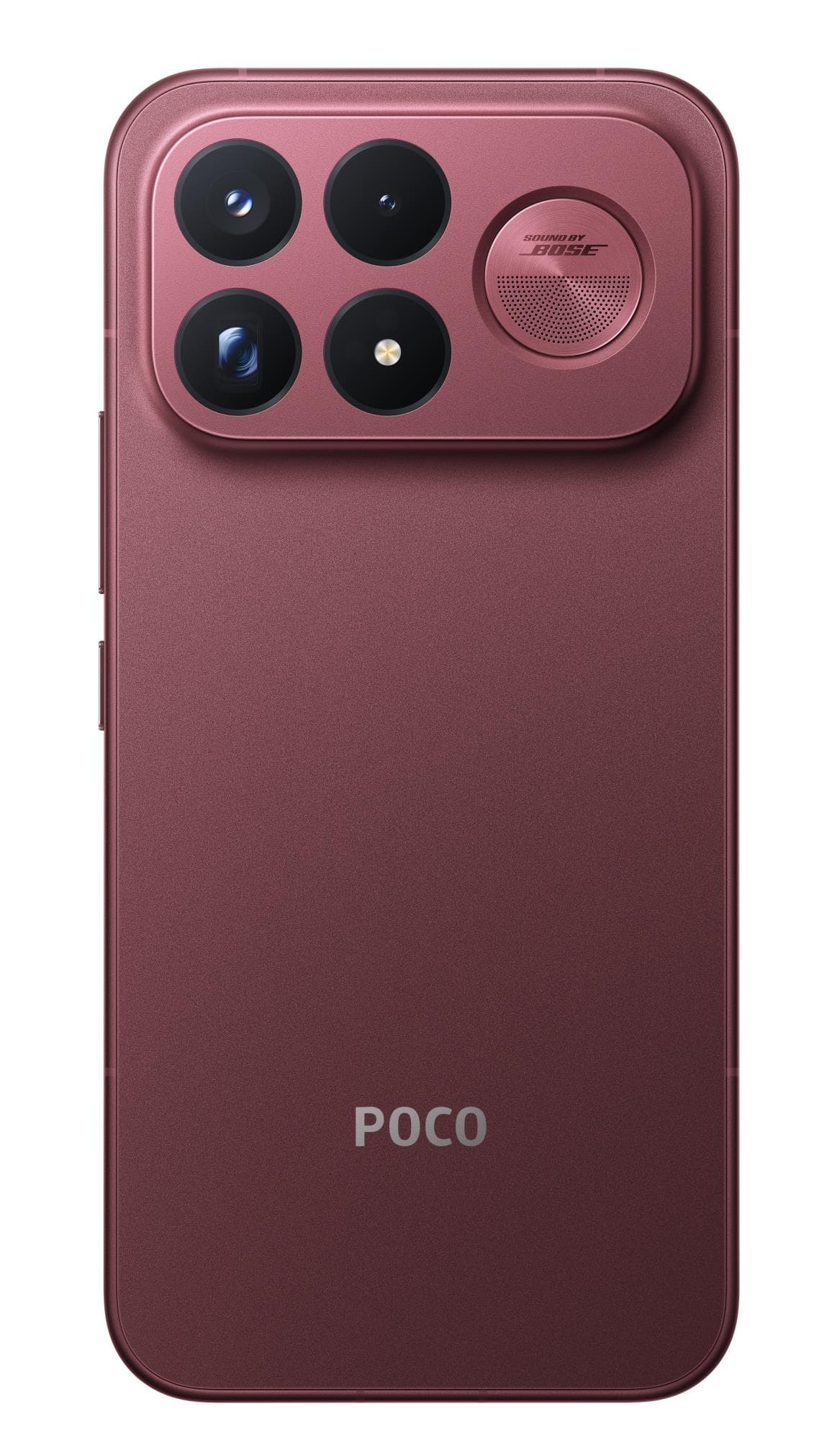
POCO F9 Ultra 256GB 5G smartphone dark cherry
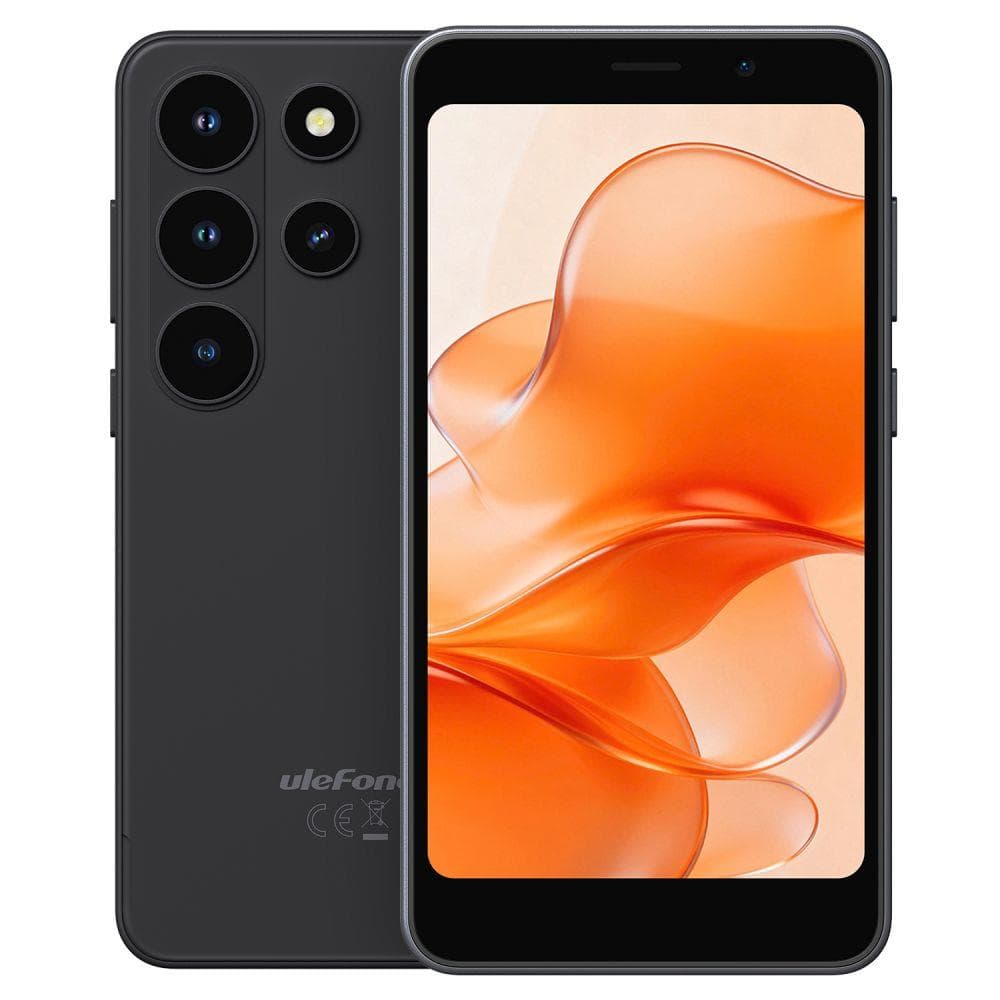
Ulefone Note 22 3/32 GB black, 5-inch 4G smartphone, 3000 mAh
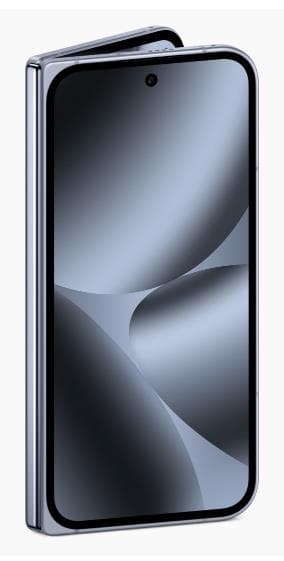
Google Pixel 10 Pro Fold 256 GB Moonstone, 8-inch Foldable Display, IP68
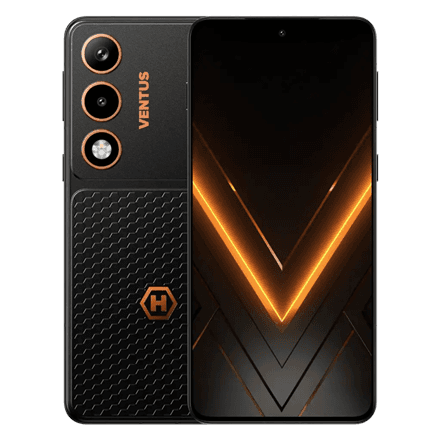
Hammer Ventus 5G smartphone, 6.77" AMOLED, 8/256 GB, 5000 mAh, black
How this selection works: we show up to eight in-stock models across different brands, favouring newer catalogue entries. This is not a paid ranking.
Frequently asked questions
How much storage is enough in 2026?
128 GB is a sensible minimum for normal use; if you shoot a lot of photos and video, choose 256 GB. Memory card slots have disappeared from most models, so you cannot add storage later — buy with headroom from the start.
iPhone or Android — which should I choose?
Both systems are mature. iPhones hold their value and receive updates for longer; Android often gives better hardware and more choice for the same money. The most practical answer is to stay with the ecosystem your apps, accessories and family habits are already tied to.
Do more megapixels mean a better camera?
No. Photo quality is decided by sensor size, optics, stabilisation and software. 200 MP on a small sensor loses to 50 MP on a large one, especially in the dark. Trust sample photos and reviews, not the number on the box.
How long will a smartphone last?
Physically 4–6 years with a battery replacement. The real lifespan is set by updates: if the maker promises 5–7 years of security patches and OS versions, the phone stays secure and apps keep working. Without updates, a device ages out in a couple of years regardless of the hardware.
Choose a phone for your day, not for the advert
Start from how you actually use your phone: how long the battery must last, what you photograph and how many years you plan to keep the device. Megapixels and gigabytes are shop-window numbers — the best smartphone is the one that makes your day smoother, not the one with the longest spec sheet.
Browse smartphonesⓘ Features and software functions vary by model and may change with updates — always check the exact details in the product description.