MEDIARANGE

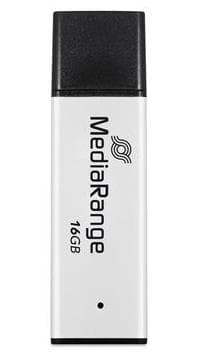
MediaRange MR1899 USB flash drive 16 GB USB 3.2 Gen 1, 130 MB/s, aluminium

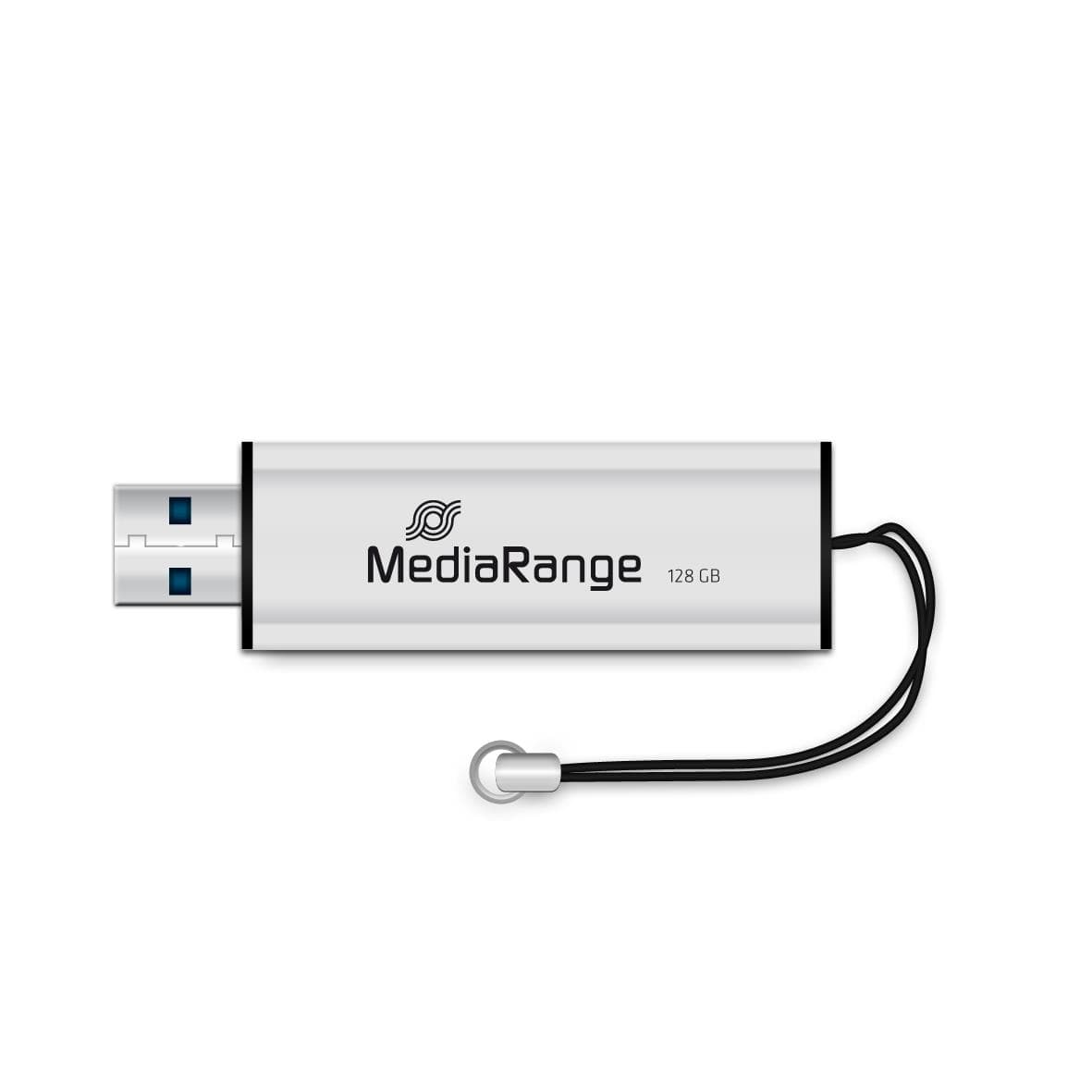
MediaRange MR1899 is a 16 GB USB flash drive with an aluminium body and a protective cap. Its USB-A plug and USB 3.2 Gen 1 interface deliver reads of up to 130 MB/s and writes of up to 60 MB/s, which is plenty for moving documents and photos quickly.

  • Capacity: 16 GB
  • Interface: USB-A, USB 3.2 Gen 1 (3.1 Gen 1)
  • Speed: read up to 130 MB/s, write up to 60 MB/s
  • Body: aluminium, cap, black and silver, 59 × 12 × 7 mm, 15 g

Description

Aluminium body and cap: the plug stays intact

The sturdy aluminium body copes with life in a pocket next to your keys, and the cap shields the USB plug from dust and physical damage. At 60 MB/s, 1 GB of data reaches the drive in about 17 seconds; reading at 130 MB/s, the same amount travels back to the computer in under ten seconds.
Who this USB flash drive is for

Anyone who needs a small, quick drive for presentations, coursework or office documents; IT support staff who keep drivers or a small toolkit on it; and anyone for whom 16 GB is enough and who prefers a metal body.

Specifications

General

BrandMEDIARANGE
Form factorCap
Product colourBlack, Silver
Housing materialAluminium
Device interfaceUSB Type-A
EAN4260664872160

Storage

Capacity16

Ports

USB version3.2 Gen 1 (3.1 Gen 1)

Performance & capacities

Read speed130
Write speed60

Features

Package typeBlister

Dimensions & weight

Width12 mm
Depth59 mm
Height7 mm
Weight15 g

Questions & answers

Is 16 GB enough?

For documents, presentations and photos, generally yes. Part of the nominal capacity is used for formatting, so the computer will show slightly less than 16 GB free. For several films or a large video collection, a bigger capacity makes more sense.

Does it work in an older USB 2.0 port?

Yes, USB 3.2 Gen 1 devices also work in a USB 2.0 port, but the speed then stays at USB 2.0 level and will not reach 130 MB/s.

Which operating systems does it work with?

According to the manufacturer it is compatible with all current operating systems, but no exact list is given.