
Best blenders 2026: a practical buying guide for healthy eating
Which blender is best for smoothies, creamy soups or baby food? We explain what actually matters — power, jug, blades — without the marketing noise.
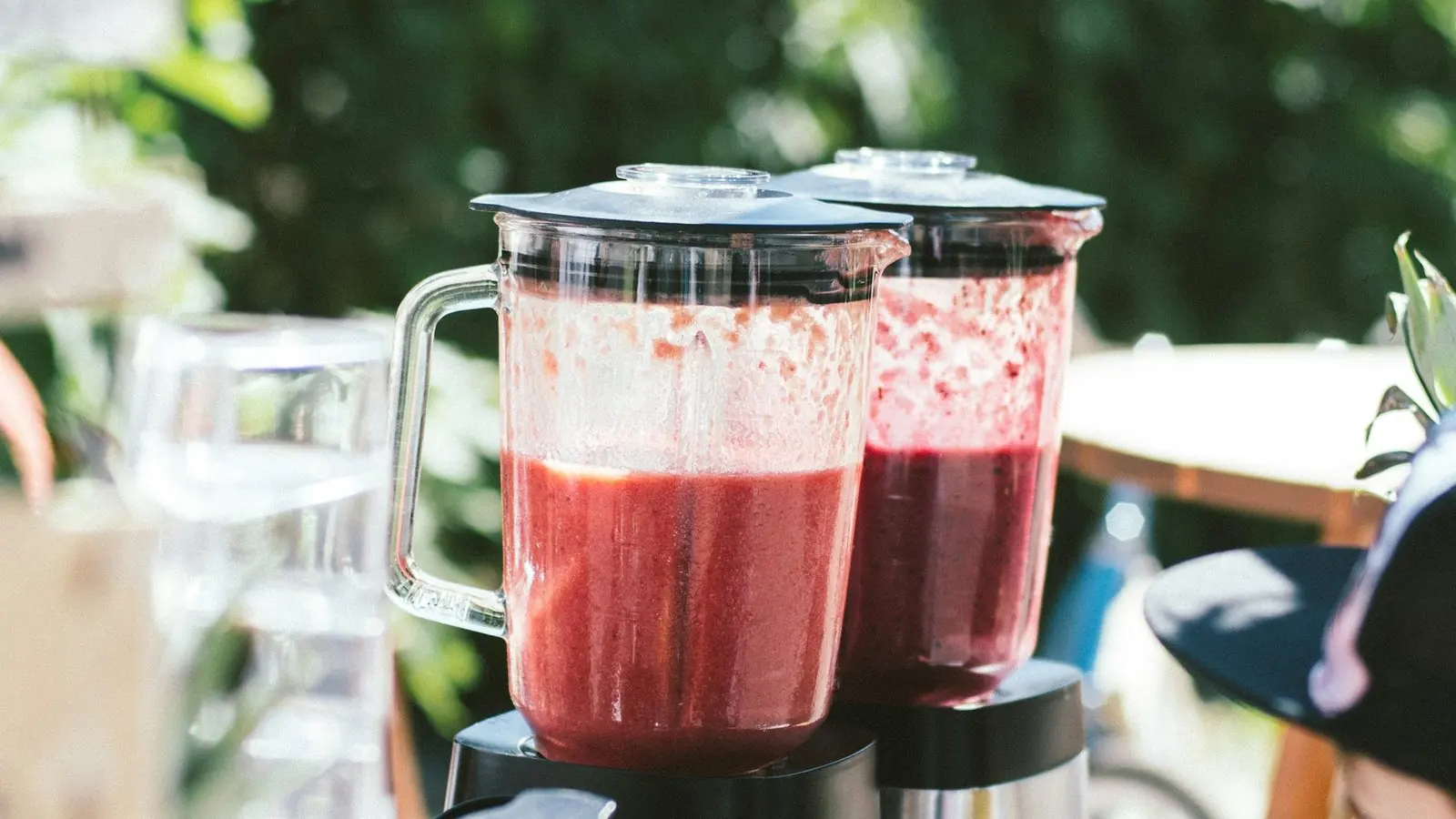
A blender is one of the few kitchen appliances that genuinely makes healthy eating easier: a morning smoothie is ready faster than coffee, creamy soup stops being a project and frozen berries get a second life. But only if the machine can actually handle it all — and is easy to clean.
In the shop, models are compared mostly by wattage, yet that number alone says little. The jug material and shape, blade design, speed settings and how easy the machine is to wash matter just as much. Below is a quick decision map, a comparison table and a pre-purchase checklist.
The best blender depends on what you make
These four scenarios cover most kitchens. If two apply, choose by what you do more often — and buy a little more power than you think you need.
Everyday smoothies
Banana, berries, yoghurt, oats — soft and semi-soft ingredients.
600–1000 W and 2–3 speeds are enough.Ice and frozen fruit
Ice, frozen berries, spinach, nuts, smoothie bowls.
Choose 1200+ W and sturdy blades.Soups and sauces
Creamy soups, pesto, hummus, hot ingredients straight from the pot.
A heat-resistant jug is essential.Small kitchen or solo use
Blend straight into a to-go bottle; the unit fits in a cupboard.
A personal blender saves space and time.Which features actually matter?
Watts sell blenders, but the result comes from the motor, blades and jug shape working together. The table links your goal to the right specs.
| Goal | What matters | What to check before buying |
|---|---|---|
| Soft smoothies | 600–1000 W, 2–3 speeds, 1–1.5 l jug | Whether the jug size fits your portions and cupboard |
| Ice and frozen berries | 1200+ W, ice blades or a pulse mode | Whether the maker explicitly allows crushing ice dry |
| Hot creamy soups | Heat-resistant glass or Tritan, steam vent in the lid | Maximum rated temperature and jug capacity |
| Nut butters and batters | Strong motor, tamper or spatula, low wide jug | Whether the motor has overheat protection |
Are watts really the main thing?
No. Wattage measures what the motor consumes, not what you get. Smart blade geometry and a jug shape that creates a vortex and pulls ingredients back onto the blades often make a 900 W model outperform a random 1500 W one. So read what the maker specifically promises: ice, nuts, hot soup.
The other underrated spec is cleaning. If the jug cannot be rinsed in a minute or the blades do not come out, the machine ends up at the back of a cupboard — and the most expensive blender is the one you never use. Removable blades, dishwasher-safe parts and a self-clean mode are worth more in daily life than extra watts.
5 steps before you buy
- 1
Define your main use case
Smoothies, soups, ice or baby food — this sets the power and jug type faster than any ranking.
- 2
Choose the jug material and size
Glass and Tritan handle heat and do not hold odours; 1.5–2 l suits a family, a 0.6–1 l bottle is enough for one.
- 3
Check speeds and the pulse button
Multiple speeds plus pulse give you control over texture — from chunky salsa to silky smoothies with one machine.
- 4
Judge how easy it is to clean
Removable blades and dishwasher-safe parts decide whether you use the machine daily or once a month.
- 5
Consider noise and dimensions
Powerful blenders are loud. If you blend early or have an open kitchen, check the noise level and whether it fits under your wall cabinets.
Blenders currently in the iStore.ee catalogue
The selection below comes directly from in-stock catalogue data. When a model leaves the catalogue, it disappears from this article automatically.
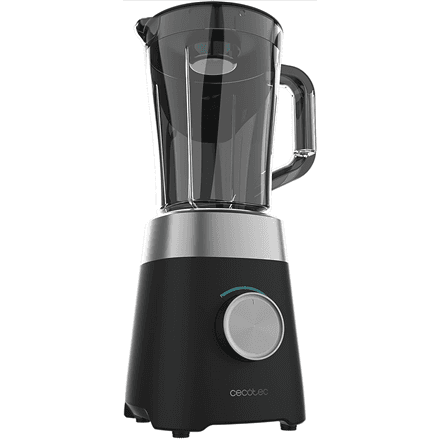
Cecotec Power Black Titanium 1300MAX B blender, 1300 W, 1.5 L
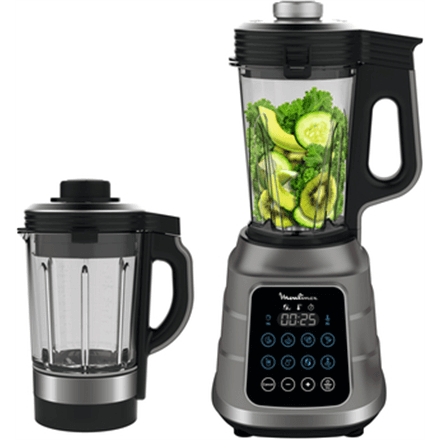
TEFAL BL985A31 tabletop blender, 1300 W, 1.4 L glass jar, 9 speeds
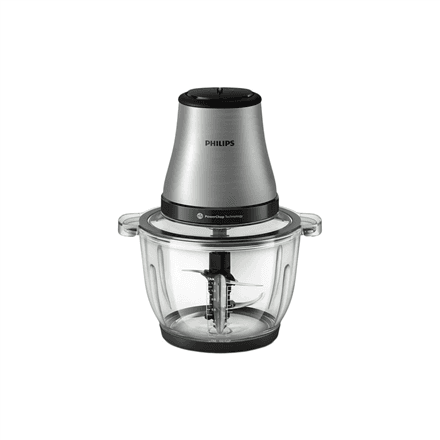
Philips HR1503/00 Series 3000 chopper, 500 W, 2 L glass bowl
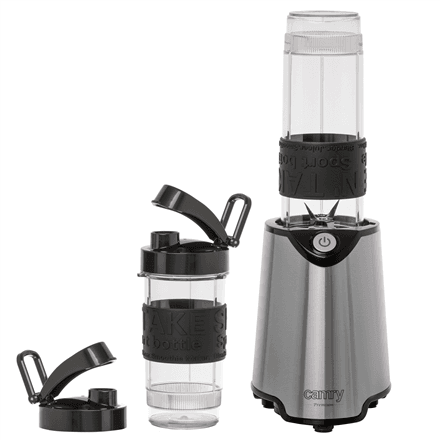
Camry CR 4069i personal blender, 500 W, 0.4 and 0.57 L jars
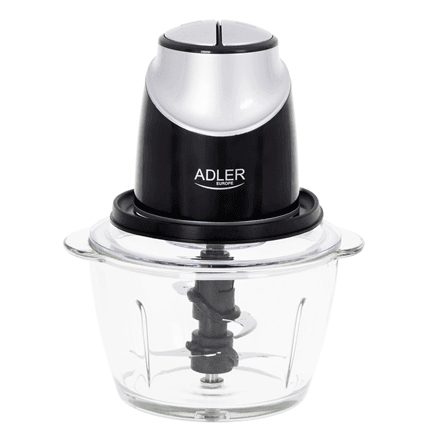
Adler AD 4082 chopper with glass bowl, 550 W
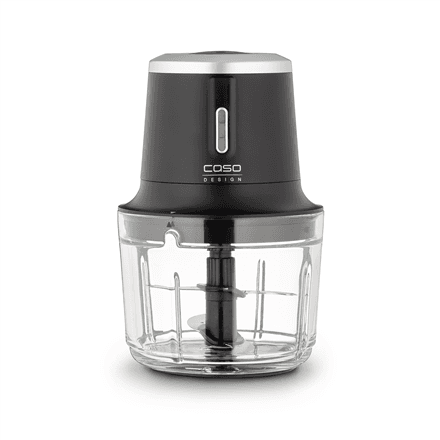
Caso Chop & Go multi chopper, 200 W, black
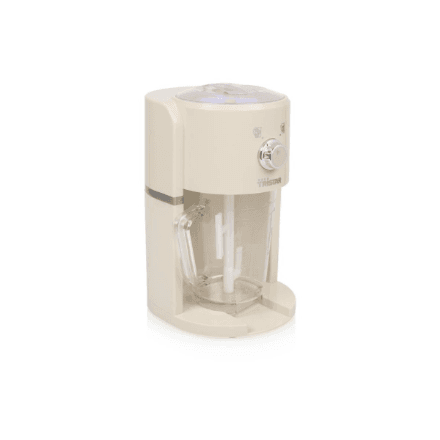
Tristar KD-7310 Slushy Maker 30W 1.1L Plastic Jar
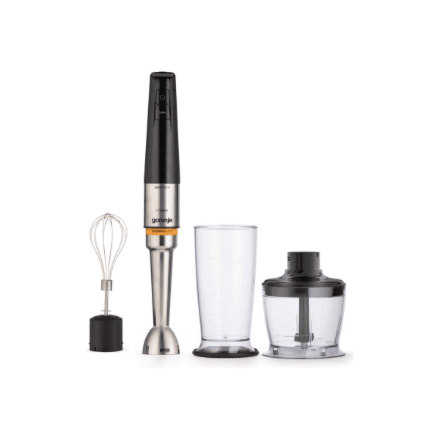
Gorenje HBX1200EB 1200W Hand Blender with 0.8L Jar
How this selection works: we show up to eight in-stock models across different brands, favouring newer catalogue entries. This is not a paid ranking.
Frequently asked questions
How powerful should a smoothie blender be?
600–1000 W is enough for soft smoothies. If you regularly plan to blend ice, frozen berries or leafy greens, choose at least 1200 W — otherwise you get chunks in the drink and a motor that runs hot.
Jug blender or hand blender — which one?
A jug blender gives a smoother result and handles larger volumes; a hand blender takes less space and works straight in the pot. If drinks or soups are a daily habit, choose a jug blender; as a helper appliance, a hand blender is enough.
Can every blender crush ice?
No. Crushing ice needs a strong motor and blades designed for it — check that the maker explicitly allows it. On a weaker model the blades dull and the motor can overheat.
How do I clean a blender quickly?
Right after use, add warm water and a drop of washing-up liquid to the jug and run it for 20–30 seconds, then rinse. Dried-on residue takes far longer to remove, especially under the blades.
Choose the machine you will actually use
Start from your main use case, buy a little more power than you need and prefer a jug and blades that are easy to clean. In healthy eating, the winning blender is the one that stays on the counter every day — not the one with the biggest number on the box.
Browse blendersⓘ This nutrition information is educational and does not replace advice from a nutrition professional. Features and permitted uses vary by model — always follow the manufacturer's instructions.