TP-LINK

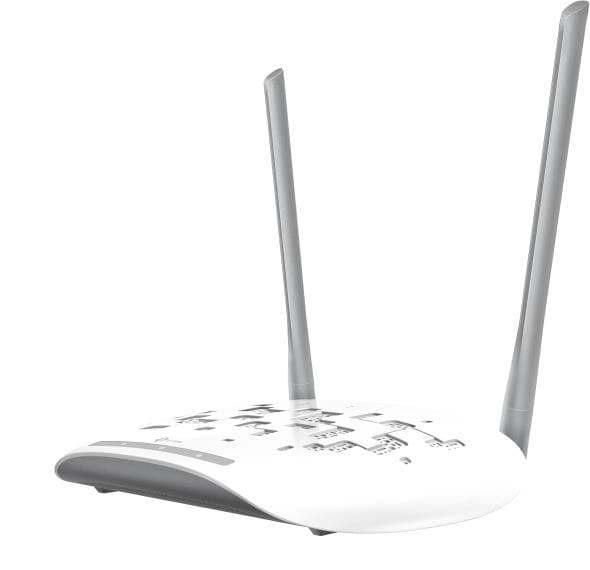
TP-Link EAP115 Wi-Fi access point 802.11n 300 Mbit/s, 2.4 GHz, PoE

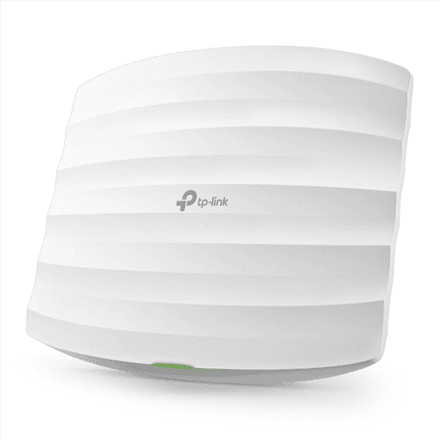
The TP-Link EAP115 is a 2.4 GHz Wi-Fi access point with the 802.11n standard and speeds of up to 300 Mbit/s. It is powered over the network cable (PoE in), so the access point can be mounted on a ceiling or wall without a separate power socket.

  • Wi-Fi: 802.11n (Wi-Fi 4), up to 300 Mbit/s
  • Band: 2.4 GHz
  • Ports: 1 × RJ-45, 10/100 Mbit/s, PoE in
  • Antennas: 2 × internal; no MU-MIMO
  • USB: no

Description

One cable for both network and power

PoE input means the same Ethernet cable carries both data and power to the access point. That makes installation easier in a corridor ceiling, a warehouse or a distant room where running a power socket would be a hassle. The 2.4 GHz band passes walls well and suits older devices, and 802.11n at up to 300 Mbit/s is enough for email, browsing, point-of-sale systems and everyday office work. The internal antennas keep the case discreet.

Who this access point is for

Small offices, retail spaces or cafés that need to add simple 2.4 GHz Wi-Fi to an existing network; warehouses and production areas where scanners and other devices rely on 2.4 GHz; and installers who want to cut down on cabling and power adapters with PoE.

Specifications

General

BrandTP-LINK
EAN6935364096939

Ports

Ethernet LAN (RJ-45) ports1
Ethernet LAN data rates10/100 Mbit/s
USB ports quantityNo

Connectivity

Antenna type2xInternal
Frequency band2.4GHz
MU-MiMONo
POEPoE in
Wi-Fi band802.11n
Wi-Fi data rate (max)300 Mbit/s

Dimensions & weight

Net weight0.427 kg

Questions & answers

Can the access point be powered over the network cable?

Yes, the EAP115 supports PoE input. You need a PoE switch or a PoE injector; the manufacturer does not specify whether an injector is included.

Does it work on 5 GHz?

No. The EAP115 works only on the 2.4 GHz band with 802.11n, with a maximum speed of 300 Mbit/s.

How fast is the network port?

The access point has one RJ-45 port at 10/100 Mbit/s. Given the 300 Mbit/s Wi-Fi speed, it suits networks with a lighter load.