
Routers
Routers for home and office: Wi-Fi 5, 6, 6E and 7, 4G/5G routers with a SIM slot for the countryside, mesh and business models. TP-Link, ASUS, MikroTik, Ubiquiti, Teltonika.
Products
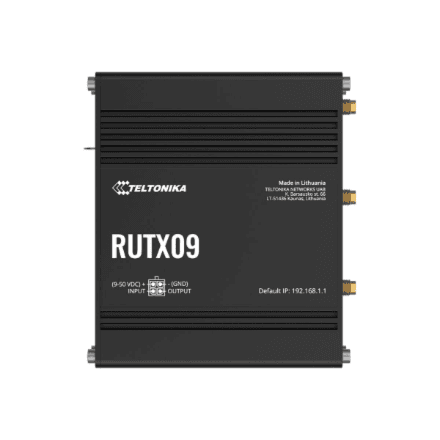
Teltonika RUTX0920 industrial 4G router, LTE Cat 6
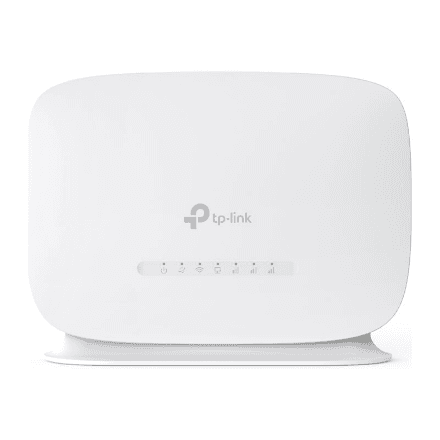
TP-Link TL-MR105 4G router LTE, Wi-Fi 300 Mbit/s

TP-Link Archer C80 Wi-Fi 5 router AC1900, 3 × 3 MIMO, 4 × 1G LAN
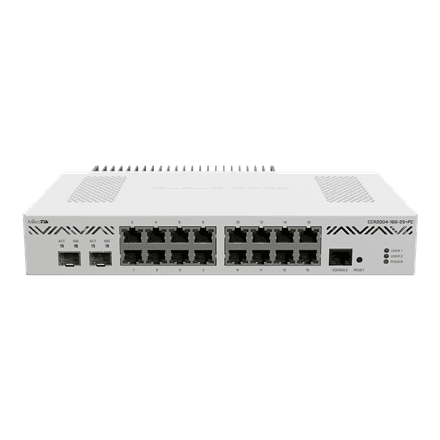
MikroTik CCR2004-16G-2S+PC router 16 × Gigabit Ethernet, 2 × SFP+

TP-Link Archer C6U Wi-Fi 5 router 1200 Mbit/s, dual-band, USB

TP-Link Archer BE700 Wi-Fi 7 mesh router, 15 Gbit/s tri-band, 10G port
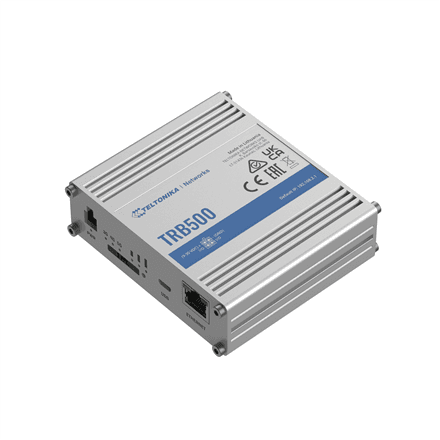
Teltonika TRB500 industrial 5G gateway, 1 × gigabit LAN, 4 × SMA, RutOS
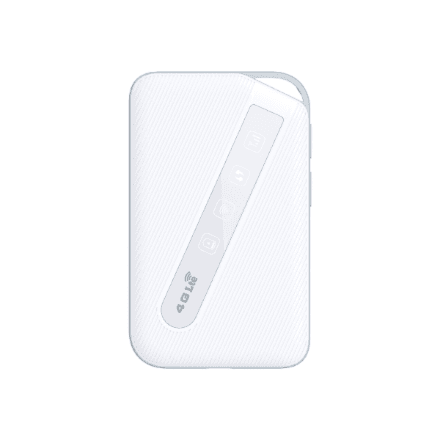
D-Link DWR-932W 4G LTE Mobile Hotspot with Wi-Fi 6
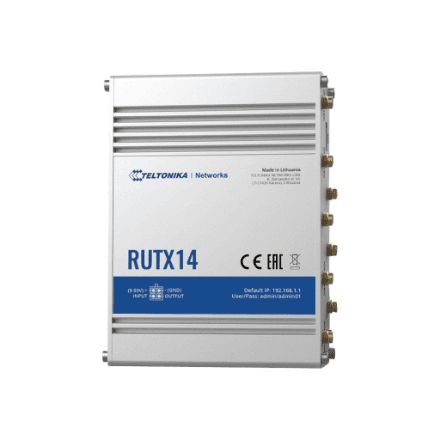
Teltonika RUTX14 4G router LTE Cat 12, Wi-Fi 5 867 Mbit/s, 5 × gigabit, GNSS
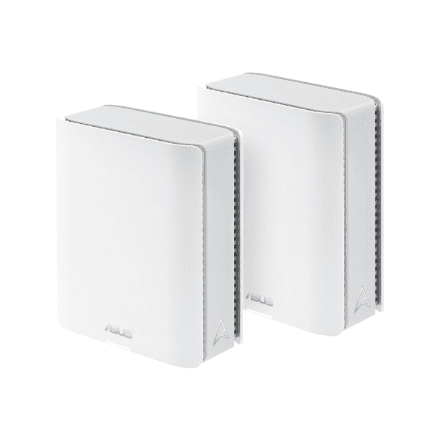
ASUS ZenWiFi BT8 mesh Wi-Fi system 2-pack, Wi-Fi 7, 14000 Mbit/s, 2.5G WAN
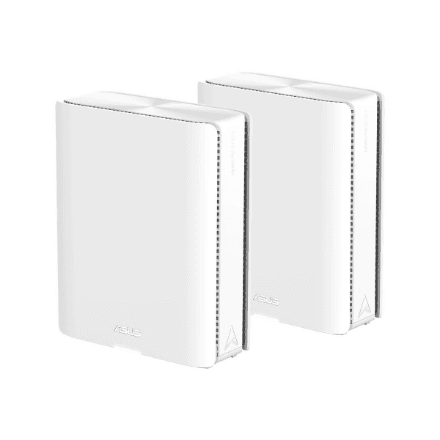
Asus ZenWiFi BQ16 mesh Wi-Fi system Wi-Fi 7 25000 Mbps, 5 × LAN, 12 antennas
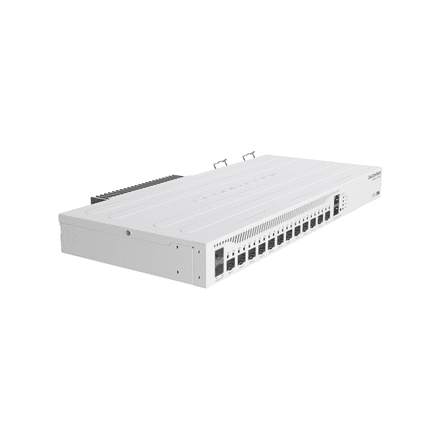
MikroTik CCR2004-1G-12S+2XS router, Cloud Core Router, 12 × SFP+, 2 × SFP28

TP-Link Archer C64 Wi-Fi 5 router AC1200, dual-band, MU-MIMO, 4 × 1G LAN
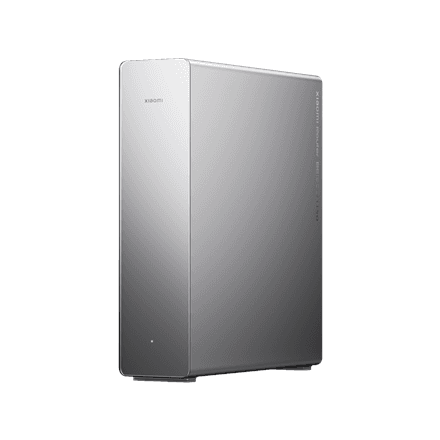
Xiaomi Router BE19000 Pro router, 6 × RJ-45 up to 10 Gbit/s, mesh, EU
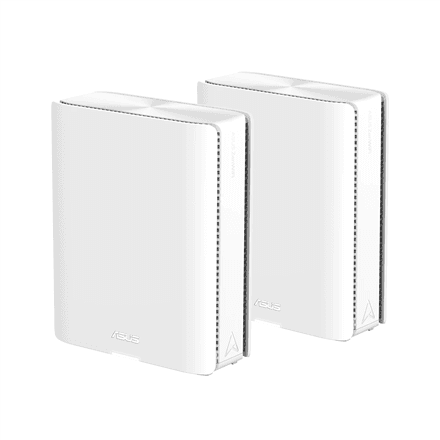
Asus ZenWiFi BQ16 mesh Wi-Fi system BE25000, Wi-Fi 7, quad-band, USB, white
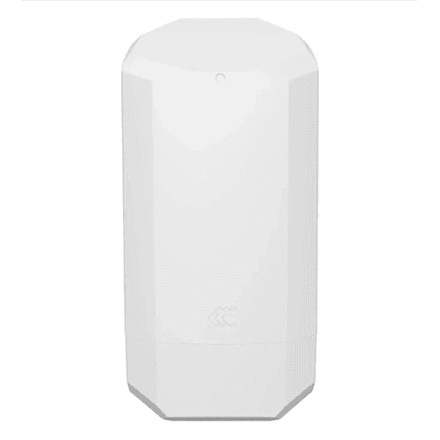
Teltonika OTD500 5G router, 4G/5G, 2 × gigabit LAN
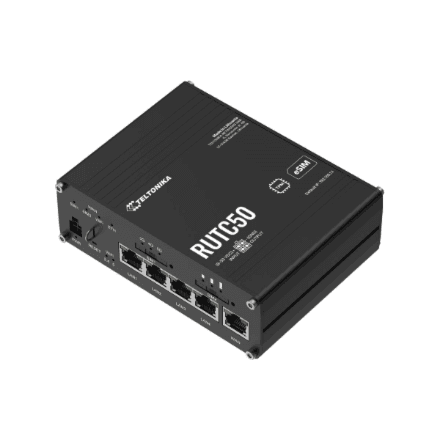
Teltonika RUTC5021 industrial 5G router, Wi-Fi 6
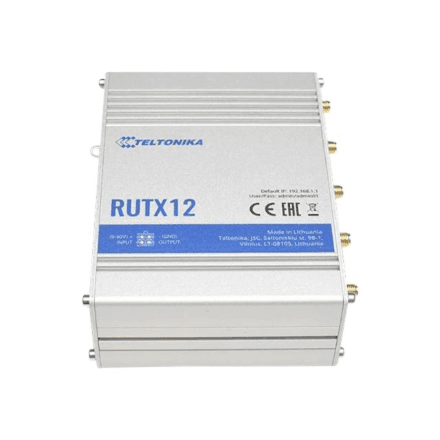
Teltonika RUTX12 4G router, Dual LTE Cat 6, RUTX12200000

TP-Link Archer BE800 Wi-Fi 7 router BE19000, tri-band, 2 × 10G

ASUS GT-BE19000 Wi-Fi 7 wireless router
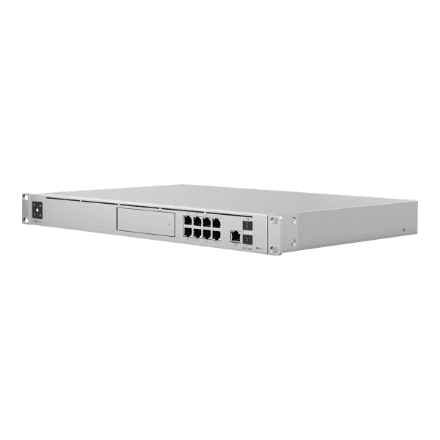
Ubiquiti UDM-SE router and security gateway, 8 × RJ-45 up to 2.5G, SFP+, rack
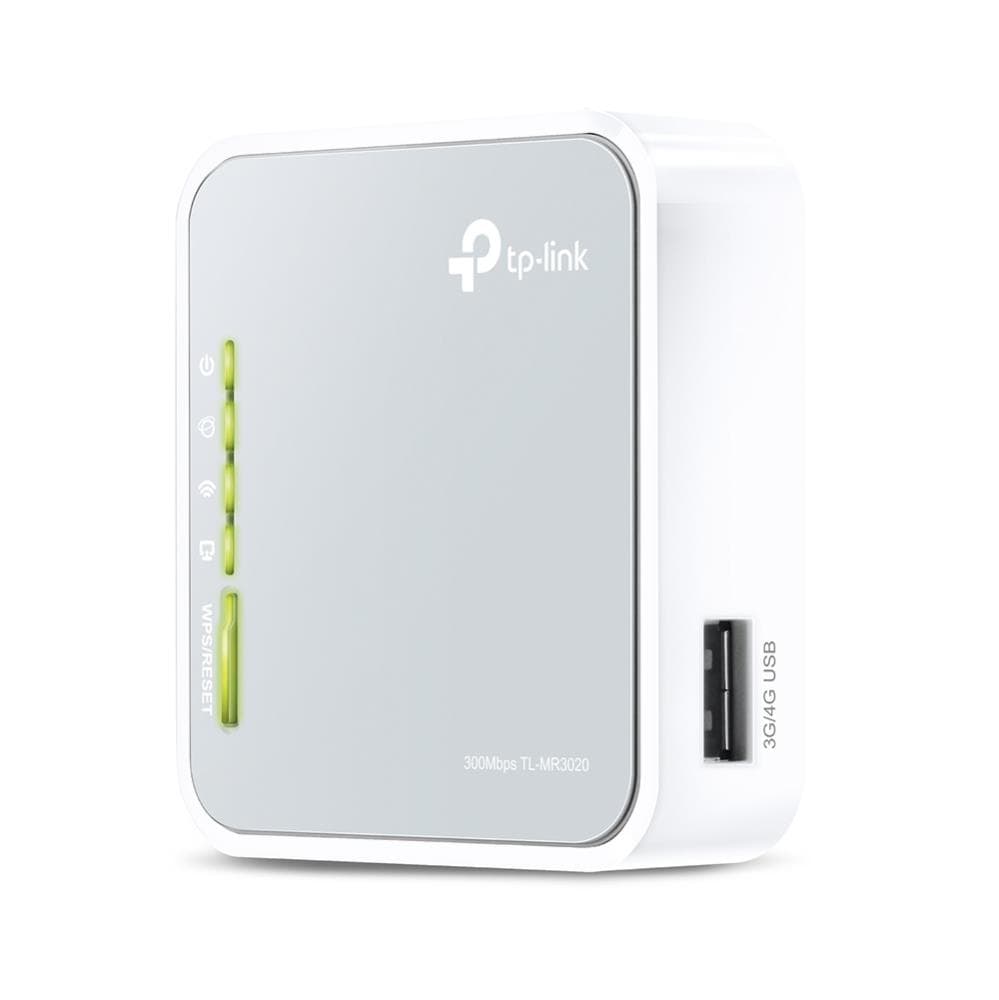
TP-Link TL-MR3020 portable 3G/4G router, Wi-Fi 4 150 Mbit/s, USB
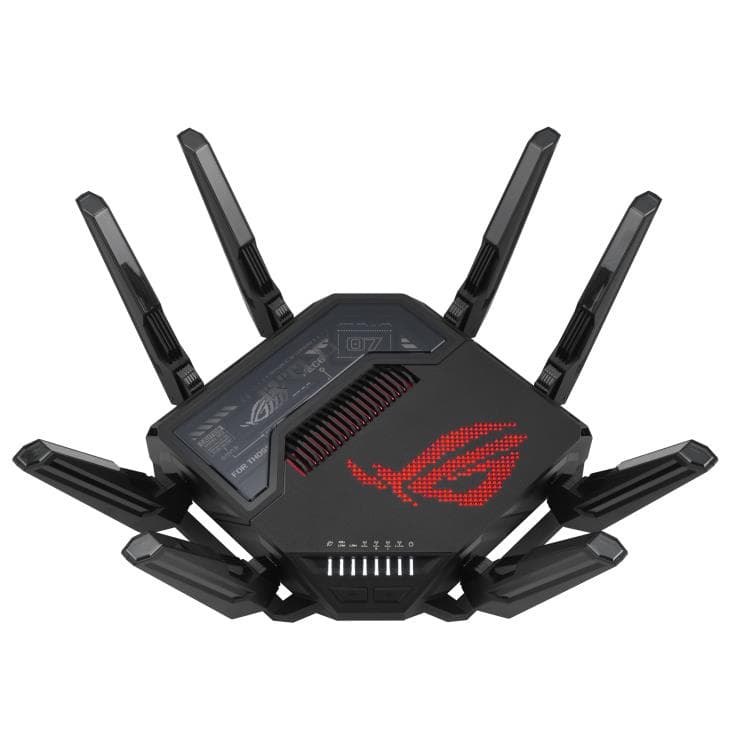
ASUS ROG Rapture GT-BE98 Wi-Fi 7 router, quad-band, 2 × 10G, 4 × 2.5G
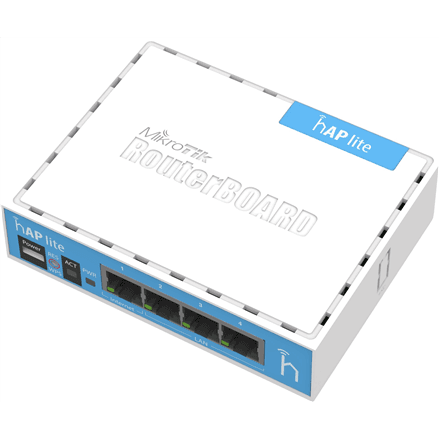
MikroTik hAP Lite Classic Wi-Fi 4 router 2.4 GHz, 4 × 100 Mbit/s LAN, USB
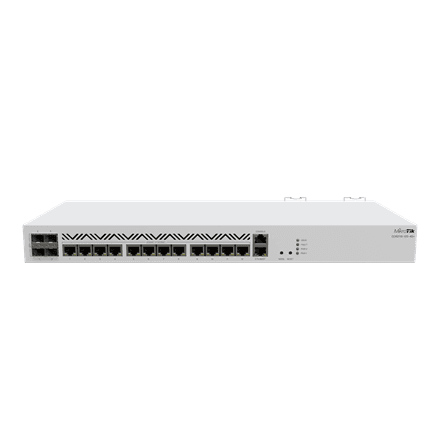
MikroTik CCR2116-12G-4S+ router 16-core, 16 GB, 13 × 1G, 4 × SFP+ 10G
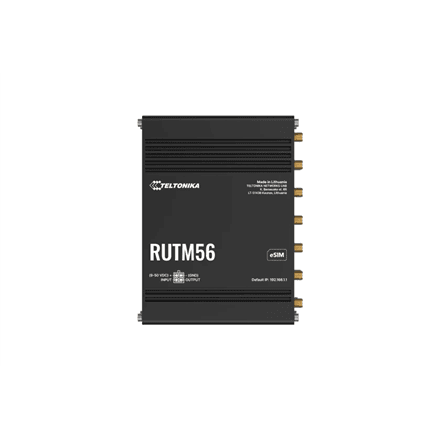
Teltonika RUTM56 router, Wi-Fi 5, 4 × gigabit LAN, mesh
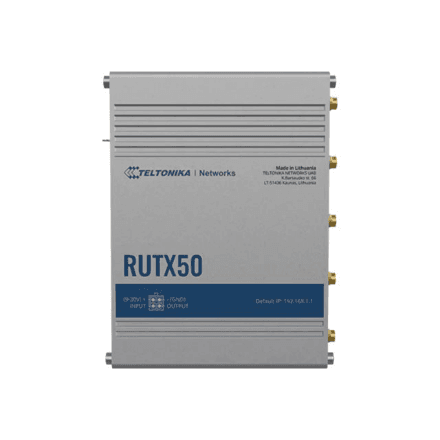
Teltonika RUTX50 industrial 5G router, Wi-Fi 5 867 Mbit/s, 5 × gigabit, GNSS
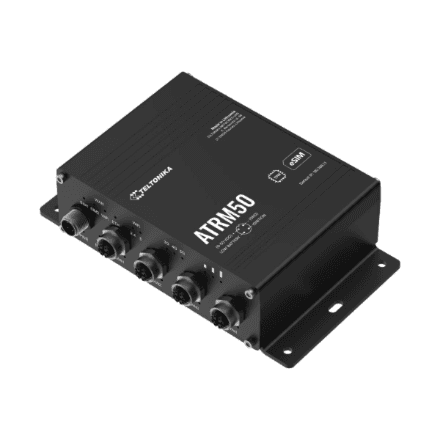
Teltonika ATRM50 5G router for transportation, Wi-Fi 5, 3 × gigabit LAN, GNSS
How to choose a router
The router decides whether a 1000 Mbit/s plan reaches the bedroom or gets stuck behind a concrete wall. Before buying, consider the size of your home and how the internet arrives.
- Wi-Fi standard. Wi-Fi 5 (AC) is enough for a small flat and a plan up to 300 Mbit/s; Wi-Fi 6 (AX) is the sensible default today. Wi-Fi 6E adds the uncrowded 6 GHz band, Wi-Fi 7 (BE) brings 320 MHz channels and Multi-Link — worth it above 1 Gbit/s.
- Coverage and floors. One router covers about 70–100 m² on one floor; concrete walls and a second storey cut that. A larger home suits a mesh system with two or three nodes.
- Speed and ports. The WAN port must match your plan: a 100 Mbit/s port cuts a 300 Mbit/s plan to a third. Gigabit is standard; 2.5G is worth having above 1 Gbit/s. A desktop PC and console are steadier on a cable — count the LAN ports.
- Connection type. Telia and Elisa fibre ends at the operator's terminal, behind which any router with a WAN port will do. For a summer house with no cable, take a 4G or 5G router with a SIM slot.
- Extras. Gamers want QoS prioritisation, a home office a VPN server, a family a guest network and parental controls in the app.
Routers in our range
Close to 190 models. Home Wi-Fi 6 routers are the most popular group: TP-Link Archer AX23, AX55 and AX73, ASUS RT-AX52. Wi-Fi 7 routers now cost about the same: Archer BE230 and BE400, ASUS RT-BE50 and RT-BE86U; at the top sit the ASUS GT-BE19000 and Archer BE800. Wi-Fi 6E: Archer AXE75 and ASUS RT-BE92U. Gamers get the ASUS ROG Rapture GT-BE98 and Archer GE800. 4G routers with a SIM slot (Archer MR200 and MR600, Mercusys MB110-4G, MikroTik Chateau LTE7) and 5G routers (Archer NX505, D-Link G530V2) work on the Telia, Elisa and Tele2 networks; for travel there is the pocket router TP-Link M7000. For business: MikroTik hEX and RB5009, Ubiquiti UDM-Pro, Teltonika RUT. The budget end is Wi-Fi 4/5 models for a couple of dozen euros.
Brands
TP-Link is the biggest brand here: Archer for home, Deco for mesh, Omada for business. ASUS stands out with AiMesh — any ASUS router can become a mesh node — and ROG and TUF are a gamer favourite. MikroTik is a Latvian maker whose RouterOS gives an admin full control. Ubiquiti UniFi is managed from one app and suits offices. Teltonika industrial routers shrug off cold and vibration. Mercusys and D-Link cover the budget end.
Setup and delivery
Place the router centrally and high up, not behind a cupboard. At a summer house with weak signal, pick a 4G router with an external antenna socket — a roof antenna often speeds things up several times over. A router fits a parcel locker: Omniva, DPD or Venipak deliver in 1–2 working days.
Related products
For an office or a large house, see access points, and for wired devices network switches. Store files at home on a NAS drive. The full selection is under networking.
Frequently asked questions
Wi-Fi 6 or Wi-Fi 7 — which should I buy? For a plan up to 1 Gbit/s, Wi-Fi 6 is enough. Wi-Fi 7 is worth it for a faster plan or a 5–7 year horizon — the price gap is small.
Which router works with Telia or Elisa fibre? Any router with an Ethernet WAN port — the fibre ends at the operator's terminal and the router plugs in behind it. For a fast plan pick a Gigabit or 2.5G WAN.
Router or mesh system? A flat up to 100 m² needs one router. For a two-storey house, go for mesh — it connects each device to the nearest node.
Does a 4G router work with any SIM card? Yes, the routers are unlocked and work on the Telia, Elisa and Tele2 networks. Choose a data plan meant for a router — check the terms with your operator.
Why is my Wi-Fi slower than my plan? Walls, neighbours' networks and an old Wi-Fi 4/5 router. Test over a cable first — if that is fine, a newer router will help.