
How to choose a coffee machine: 2026 buying guide
Bean-to-cup, espresso, capsule or filter? We work out the cost per cup at Estonian prices, bust the bar myth and explain upkeep to help you pick the right machine.
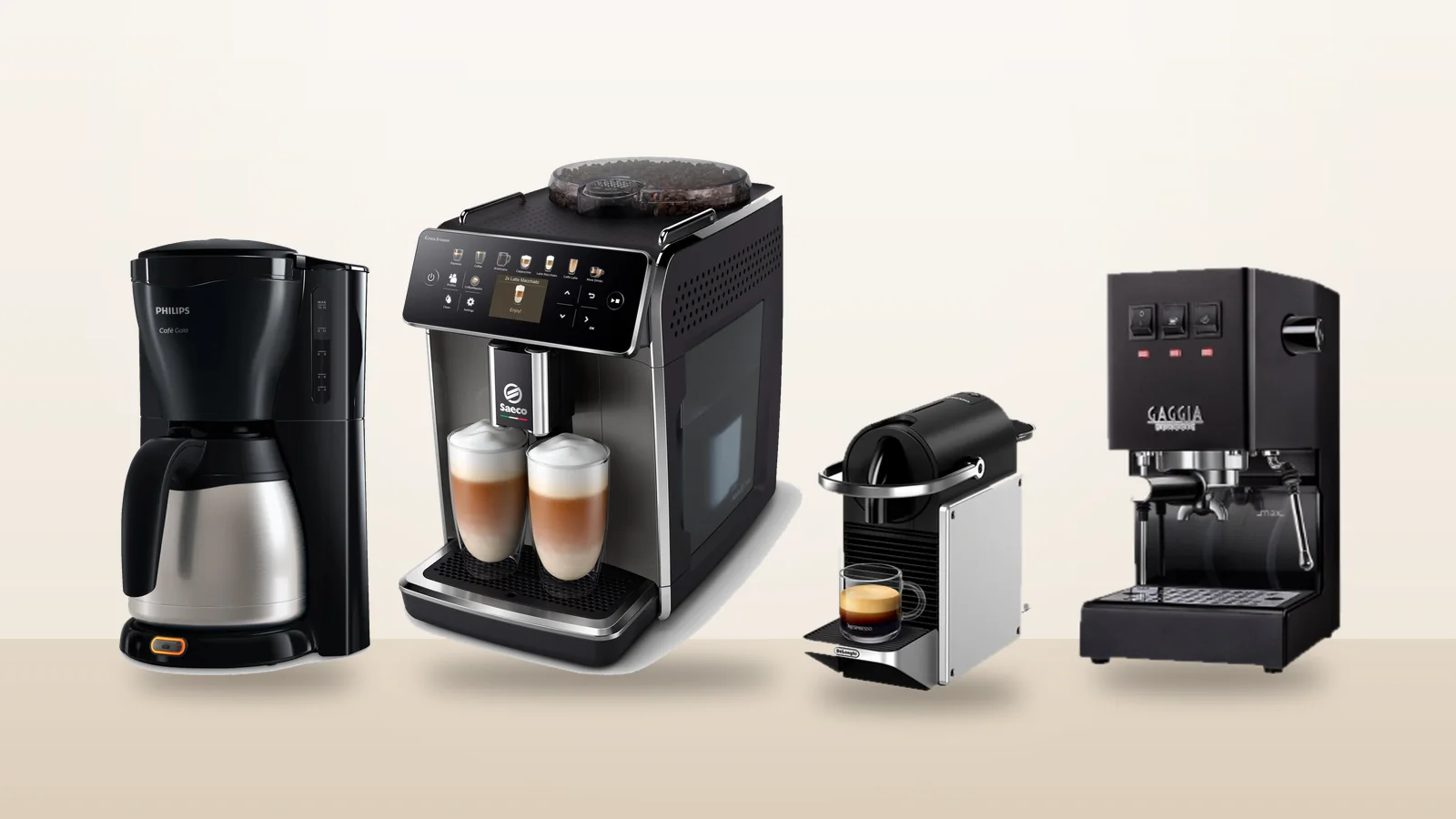
A coffee machine is the kitchen appliance you use every single day — which is exactly why the wrong choice costs the most. Too complicated and it gathers dust in the corner; too simple and it can't make the drink you actually want; and a cheap capsule machine can cost more in capsules over a year than a bean-to-cup machine costs outright.
In this guide we compare the four main types, work out the cost per cup from Estonian shop prices, explain why the bar figure on the box doesn't matter, and give advice on upkeep and when to buy. Prices and data were checked on 23 September 2026.
Short answer: which coffee machine suits you?
Don't start with the brand — start with three questions: what you drink (black coffee or milk drinks), how many cups a day, and how much time you are willing to spend on coffee in the morning. The table gives a quick answer; each type is explained below.
| Type | Our price range | Cost per cup | Effort | Best for |
|---|---|---|---|---|
| Bean-to-cup | ≈ €270–710 | €0.12–0.25 | One button, daily rinse | 1–4 people, 2+ cups a day, milk drinks |
| Espresso machine (semi-automatic) | ≈ €90–500 + grinder | €0.12–0.25 | You grind, dose and tamp | Coffee lovers who want to learn |
| Capsule machine | ≈ €60–225 | €0.34–0.68 | Pod in, press a button | 1–2 cups a day, small kitchens |
| Filter coffee maker | ≈ €30–210 | €0.13–0.20 | Filter, coffee, water | Big families, offices, black coffee drinkers |
If you're torn between a bean-to-cup and a capsule machine, the cost per cup usually decides it: at two cups a day the difference is €100–400 a year. The maths is in its own section below.
Bean-to-cup: fresh beans at the touch of a button
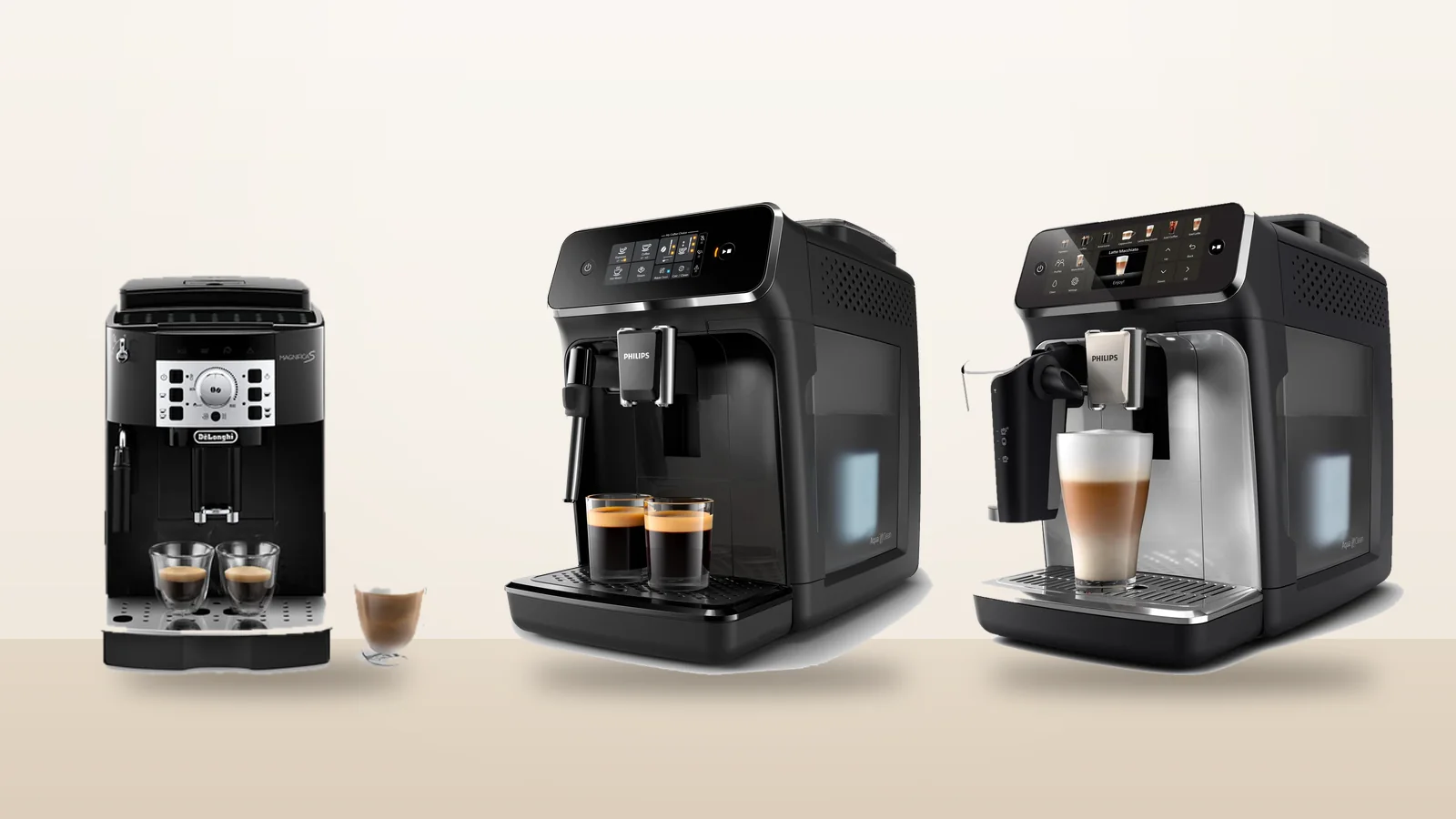
A bean-to-cup (fully automatic) machine does everything itself: it grinds the beans for every cup, doses, tamps, pulls the espresso and drops the spent grounds into an internal bin. Most also have a milk system, so a cappuccino or latte macchiato is one button away. It's the most convenient way to drink real coffee from beans, with prices starting at about €270.
What to check on a bean-to-cup machine
- GrinderCeramic or steel conical burrs, usually 10–15 settings. The De'Longhi Magnifica S has 13; Philips' ceramic grinder has 12, and Philips says it keeps its quality for about 20,000 cups.
- Milk systemA steam wand is cheaper and gives you control over the foam, but takes practice. An automatic system does it all: Philips LatteGo has two parts and no tubes, and rinses clean under the tap in about 15 seconds.
- Removable brew groupOn Philips, Saeco and De'Longhi machines the brew unit comes out and can be rinsed under the tap. That matters for hygiene and a long machine life.
- Water filter and hardnessYou can set your water hardness and fit a filter. Philips AquaClean promises up to 5,000 cups without descaling if you replace the filter when the machine asks (8 filters in total).
- Pre-ground coffee chuteMany models have a separate chute for ground coffee — for a cup of decaf, for example. Not all do, so check the specifications.
- SizeA typical bean-to-cup is about 24–25 cm wide, 35–43 cm tall and up to 44 cm deep. Measure the space under your wall cabinets and leave room to fill the bean hopper.
Two popular approaches show up clearly in well-known models. The De'Longhi Magnifica S is a simple, reliable classic: 15 bar, 13 grind settings, a 1.8-litre water tank and a manual steam wand. Philips' Series 2200–5500 machines focus on a touchscreen, a ceramic grinder and, in many versions, the LatteGo milk system — if you mostly drink cappuccino, that saves time every day.
Espresso machine: the best taste, if you're willing to learn
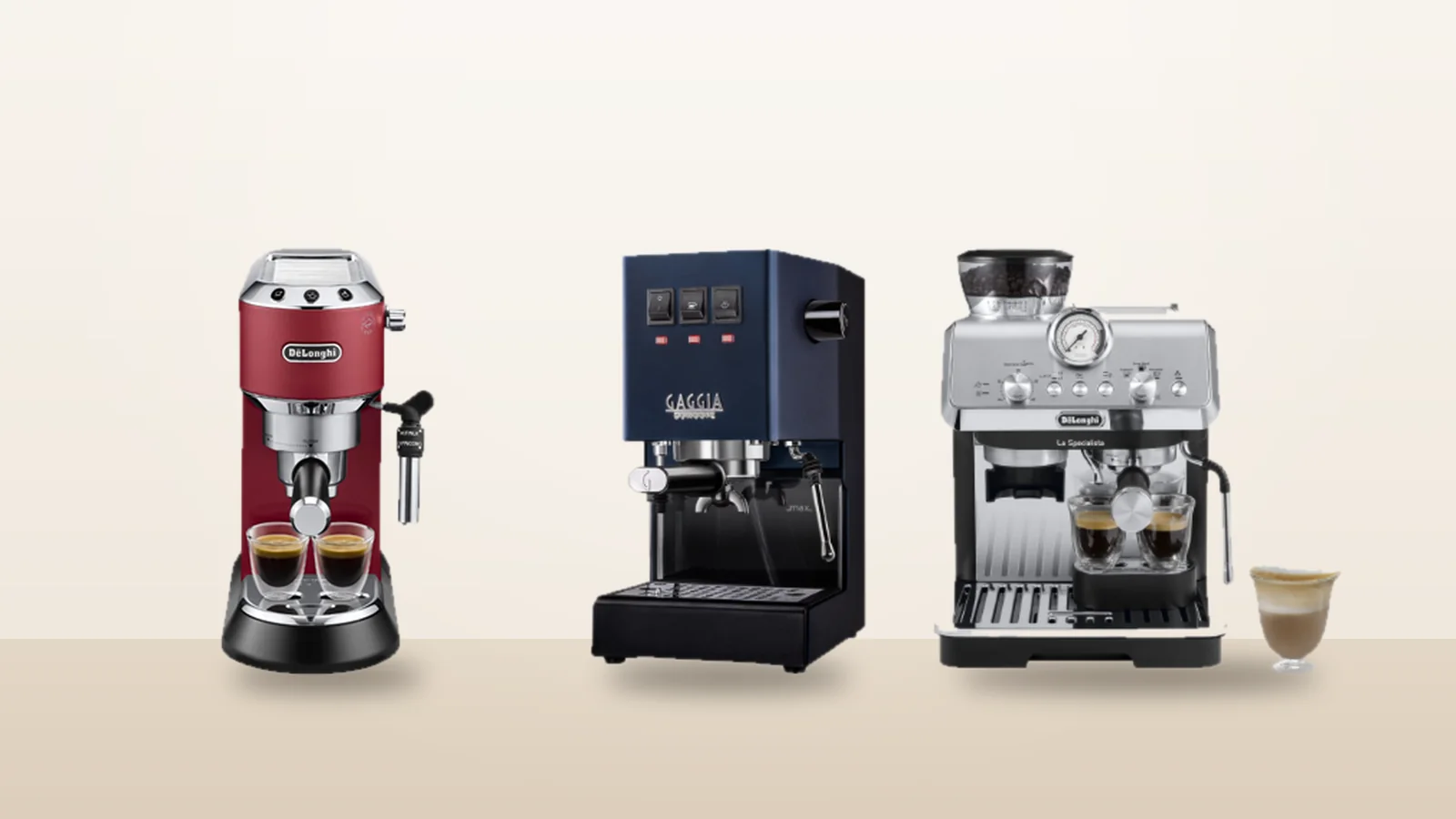
A semi-automatic, portafilter espresso machine is the café tool at home scale. The machine supplies pressure and hot water; you do the rest: grind, dose, tamp and decide when to stop the shot. The result can beat a bean-to-cup, but only if your grinder and beans are good too.
- A grinder is a mustEspresso needs a very fine, even grind. Pre-ground coffee or a blade grinder gives a sour or bitter cup. Budget for the grinder from the start.
- Pressurised or standard basketThe double-walled baskets on cheaper machines produce crema even from an uneven grind. A standard basket tastes better but needs a precise grinder.
- Thermoblock or boilerA thermoblock (as in the Dedica) heats up fast and is compact. A boiler (such as the Gaggia Classic E24's brass boiler) holds temperature more steadily and gives stronger steam.
- Steam wandA proper steam wand makes silky microfoam good enough for latte art. A panarello tip is easier, but the foam is coarser.
For beginners the De'Longhi Dedica is a good way in: slim, quick and forgiving. The Gaggia Classic E24 is an Italian classic made for decades, and owners love to modify it — ideal if you want to properly learn espresso. Machines like the La Specialista sit in between: a portafilter and a built-in grinder in one body.
Capsule machine: quick and clean, but pricey per cup
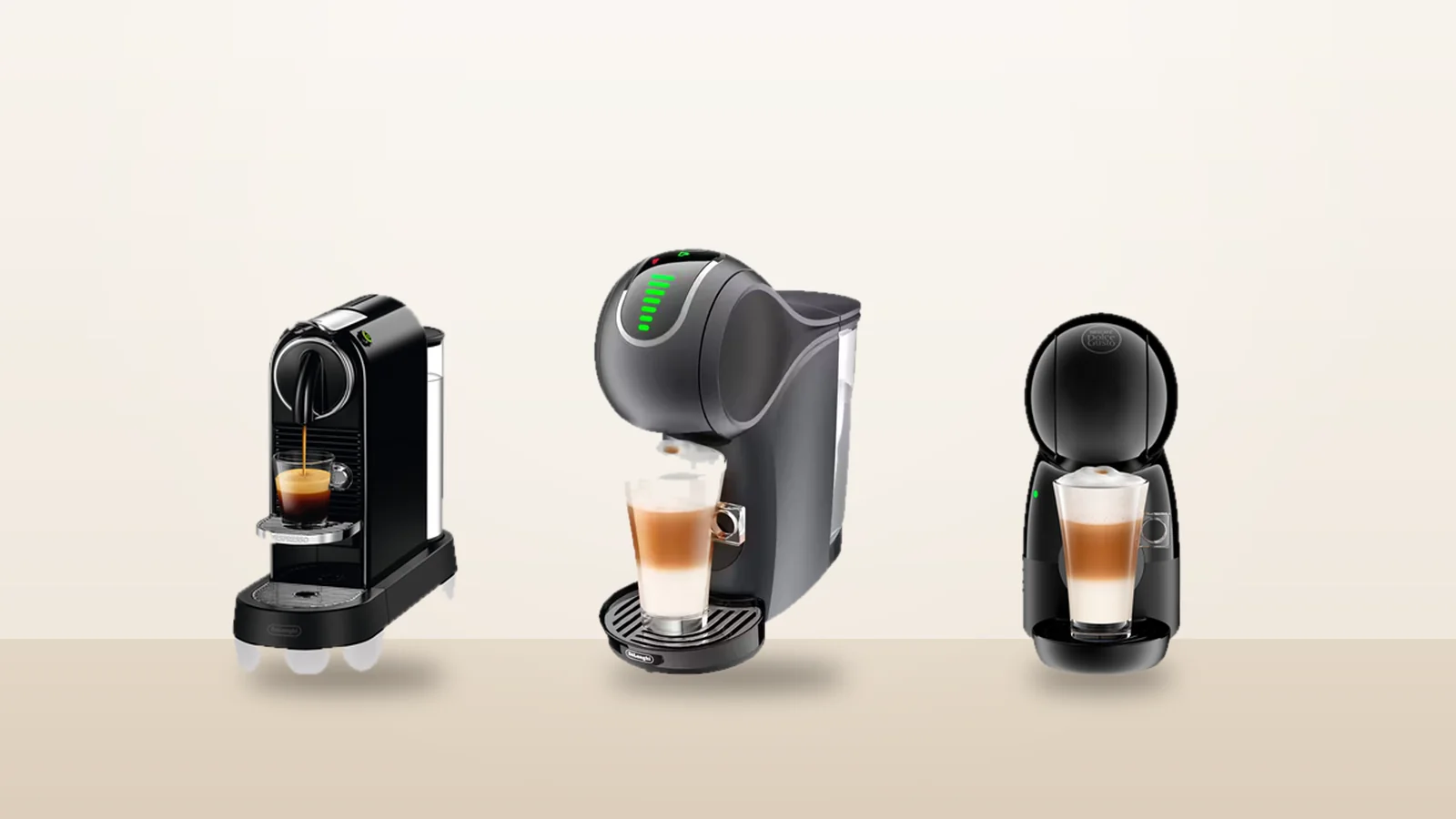
A capsule machine is the simplest way to a consistently good cup: pod in, press a button, done in half a minute. The machine itself is cheap, there's almost nothing to clean and it takes up little space. The catch is the cost per cup — you pay for a capsule every time.
| System | Capsule price in Estonia | Compatible capsules | Milk drinks |
|---|---|---|---|
| Nespresso Original | €0.61–0.68 (nespresso.ee) | Plenty: L'OR, Starbucks, Lavazza and others, €0.35–0.50 | Lattissima models or a separate frother |
| Nespresso Vertuo | Nespresso capsules only | Few — the machine reads a barcode on the pod | A separate frother |
| Dolce Gusto | €0.34–0.53 | Few | With a milk pod: cappuccino = 2 capsules ≈ €1.05 |
The difference per cup looks small but adds up fast: two cups a day from original Nespresso capsules costs about €445–495 a year, the same amount from beans €90–185. A capsule machine makes sense if you drink one or two cups a day or only need coffee occasionally — at a summer house, in an office corner, for guests.
Filter coffee maker: for big families and offices
A filter (drip) coffee maker is still the cheapest way to make a lot of coffee at once: 10–15 cups in one go, with no pump and no grinder needed. It tastes softer and lighter than espresso — the Nordic-style black coffee that Estonians have traditionally drunk.
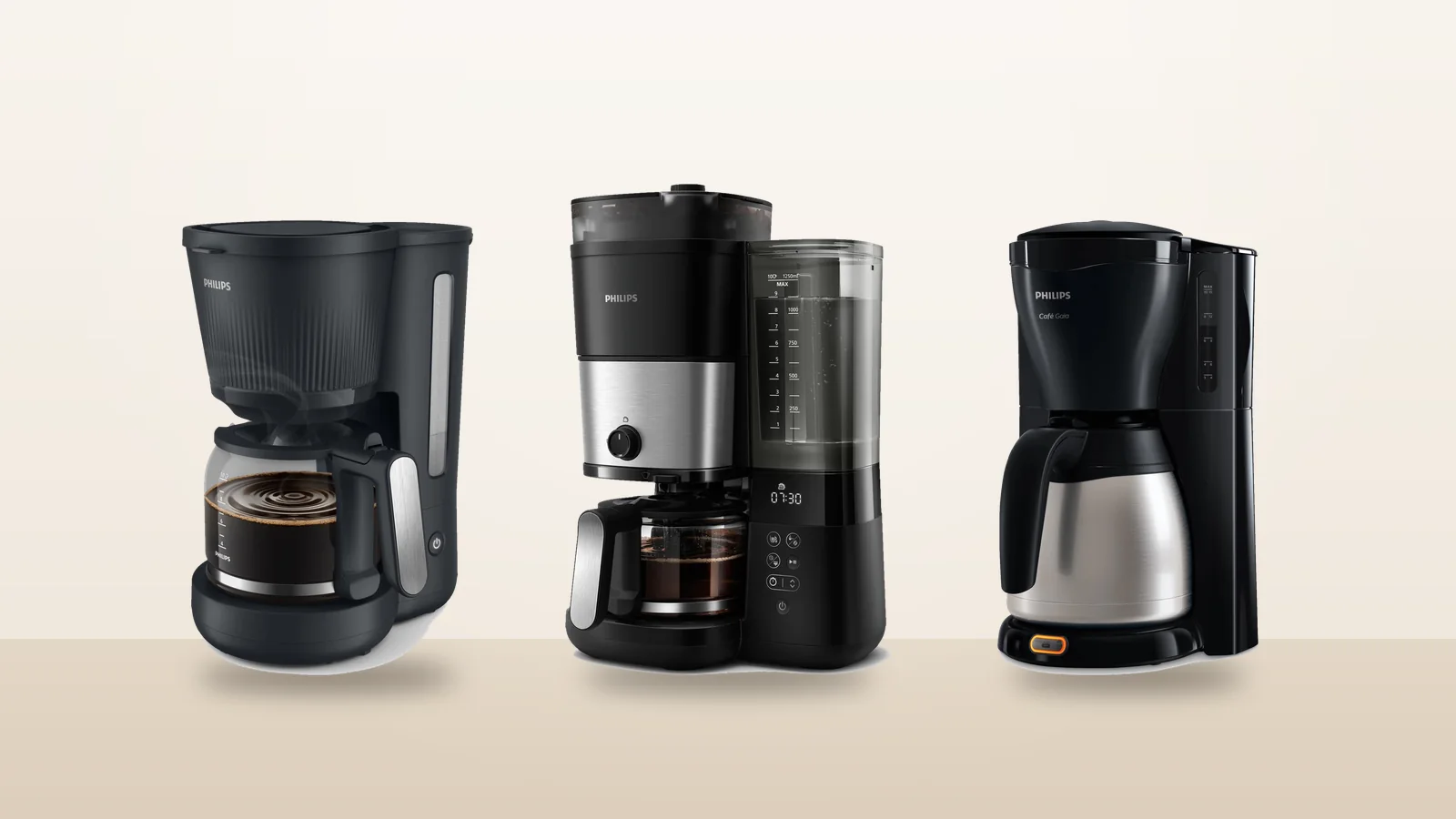
- Thermal jug or hotplateA hotplate keeps coffee hot, but the longer it sits the more bitter it gets. A thermal jug holds the temperature for hours and keeps the taste better.
- The right ratioThe Speciality Coffee Association recommends about 55 g of coffee per litre of water. If it tastes weak, add more coffee — don't brew for longer.
- Timer and capacityA machine with a timer has coffee ready before you're up; a 1.2–1.5 litre jug makes 10–15 cups.
- Built-in grinderSome filter machines (such as the Philips All-in-1 Brew) grind the beans just before brewing — the single biggest flavour gain for filter coffee.
What does a cup of coffee cost? Capsules vs beans vs filter
We used Estonian shop prices (Selver, Rimi, Maxima, Coop and nespresso.ee, 23.09.2026) to work out what one cup costs, and two cups a day over a whole year. The machine price and electricity are not included — only coffee and milk.
| Coffee | Based on | Per cup | 2 cups a day for a year |
|---|---|---|---|
| Filter coffee | 10 g ground coffee at €13–20/kg | €0.13–0.20 | €95–145 |
| Espresso or lungo from beans | 8–10 g beans at €15–25/kg | €0.12–0.25 | €90–185 |
| Cappuccino from beans | the same + 150 ml milk | €0.20–0.45 | €145–330 |
| Nespresso-compatible capsule | L'OR, Starbucks, Lavazza | €0.35–0.50 | €255–365 |
| Original Nespresso capsule | nespresso.ee price | €0.61–0.68 | €445–495 |
| Dolce Gusto espresso or lungo | 16 capsules for €5.49–8.49 | €0.34–0.53 | €250–385 |
| Dolce Gusto cappuccino | 2 capsules per drink | ≈ €1.05 | ≈ €765 |
The bottom line: at two cups a day, beans and capsules differ by €100–400 a year. Compared with a capsule machine (€60–150), a bean-to-cup (about €270–350) pays for itself in about eighteen months against cheap compatible capsules, in under a year against original Nespresso and in about six months against Dolce Gusto milk drinks. Upkeep (water filters, descaler, cleaning tablets) adds roughly €20–50 a year to a bean-to-cup.
15, 19 or 20 bar — does pressure matter?
A big number on the box sells, but espresso isn't brewed at 15 or 20 bar. The certified espresso standard of the Italian National Espresso Institute (Istituto Nazionale Espresso Italiano, INEI) is 9 ± 1 bar, 7 ± 0.5 g of coffee, water at 88 ± 2 °C, a 25 ± 5-second shot and 25 ± 2.5 ml in the cup.
15–20 bar is the pump's maximum, not the pressure that reaches the coffee puck. In a good machine an over-pressure valve or the grind itself limits it, so the shot runs at around 9 bar. A 15-bar and a 20-bar machine can make exactly the same cup — and a machine that really forced water through the coffee at 20 bar would give you a bitter, over-extracted espresso.
What really matters
- Grind consistencyThe biggest influence on taste. On a bean-to-cup it depends on the built-in grinder, on a semi-automatic on your separate grinder.
- Temperature stabilityThe water has to stay evenly hot for the whole shot. A boiler with electronic temperature control does this better than a cheap thermoblock.
- Fresh beansCoffee loses its aroma quickly after roasting, and even faster after grinding. Buy beans you'll finish within a few weeks.
Coffee machine trends for 2026
Three directions clearly visible in 2026, both on shop shelves and in search data:
- Milk systems that are easy to cleanOne-touch cappuccino shouldn't mean scrubbing tubes every day. Philips' two-part, tube-free LatteGo is the best-known example, and it has already reached mid-range models.
- Hybrid machinesEspresso machines that help you: a built-in grinder, scales and assisted tamping. The Ninja Luxe Café Premier, for example, has 25 grind settings, doses by weight with a built-in scale and makes espresso, filter coffee and cold brew. De'Longhi's La Specialista range also combines a portafilter with a grinder.
- Proven classicsAccording to Google Trends, the fastest-growing coffee machine searches in Estonia over the past five years are “delonghi magnifica” (+250%), “smeg” (+200%), “nespresso” (+60%) and “dolce gusto” (+40%). People are buying proven models, not necessarily the newest ones.
Upkeep and limescale: what Estonian water does to your machine
Limescale is a coffee machine's main enemy: it clogs the pipes and heating element and changes how the coffee tastes. Estonian tap water is mostly hard. According to Tallinna Vesi, Tallinn's water had a total hardness of 2.34 mmol/l (about 13 °dH) in June 2026, which counts as hard; up to 2.5 in winter and spring and from 1.8 mmol/l in summer and autumn. According to Tartu Veevärk, water hardness in Tartu is 1.7–4.5 mmol/l (9.5–25.2 °dH).
So on day one, measure your water hardness (a test strip usually comes in the box) and enter it in the machine's settings — then it will ask for descaling at the right time. A water filter reduces limescale and stretches the interval.
| How often | What to do |
|---|---|
| Every day | Pour out yesterday's water and refill the tank, empty the grounds bin and drip tray, rinse the milk system |
| Once a week | Rinse the removable brew group in cold water, wash the milk carafe (in the dishwasher if the maker allows) |
| When the machine asks | Descale with the maker's descaler, change the water filter, degrease with a cleaning tablet |
Don't use vinegar: it can damage the seals and manufacturers advise against it. Descaler and filters are cheap compared with a repair.
When to buy: Black Friday and a checklist
According to Google Trends, “kohvimasin” (coffee machine) was searched most in Estonia in 2025 during Black Friday week (23–29 November) — nearly twice as often as in a normal week. Interest stays slightly above normal in December too, as coffee machines are a popular Christmas present. In 2026, Black Friday falls on 27 November.
If you need a machine now, there's no need to wait two months: compare prices and make sure the model has the milk system you want. Before you buy, check five things:
- DrinkBlack coffee or milk drinks? That decides whether you need an automatic milk system.
- VolumeHow many cups a day? From two cups a day, a bean-to-cup works out cheaper than capsules in the long run.
- SpaceMeasure the width, height and depth, and check you can fill the bean hopper and water tank under your cabinets.
- UpkeepIs the brew group removable, and can you buy water filters for the machine?
- WarrantyCheck the warranty length — on our coffee machines it is usually 24 months.
Verdict: which coffee machine to buy
Choose a bean-to-cup if…
- you drink two or more cups a day
- you want milk drinks at the touch of a button
- you want fresh beans without training as a barista
- you care about the cost per cup in the long run
Choose something else if…
- you rarely drink coffee — get a capsule machine
- you want to master espresso yourself — get an espresso machine and a good grinder
- you brew a whole jug at once — get a filter coffee maker
- your kitchen is tiny — capsule machines and the Dedica are the slimmest
For most Estonian homes in 2026, the best choice is a bean-to-cup machine at €270–450: it makes coffee from beans at the touch of a button, quickly pays for itself compared with capsules and needs no skill. If you mainly drink cappuccino, pay extra for an automatic milk system; if you drink black coffee, a simple model with a steam wand is enough.
A capsule machine is still the right call for occasional coffee and small kitchens, and a filter coffee maker for big families and offices. An espresso machine is a hobby — a great one, if you're ready to learn and to pay for a grinder.
Coffee machines in stock
Bean-to-cup, espresso, capsule and filter coffee machines from Philips, De'Longhi, Gaggia and others. Smaller machines go to a parcel locker; larger ones come by courier.
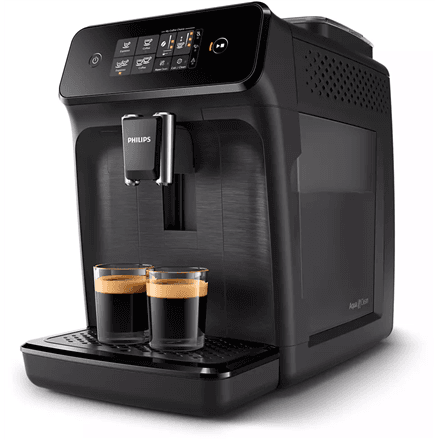
Philips EP1200/00 Series 1200 15 bar automatic espresso machine
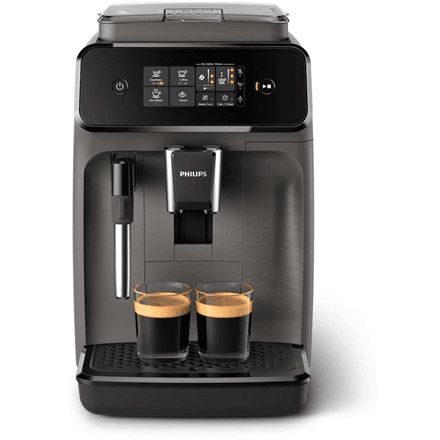
Philips EP1224/00 Espresso Coffee Maker 15 bar – Fully Automatic
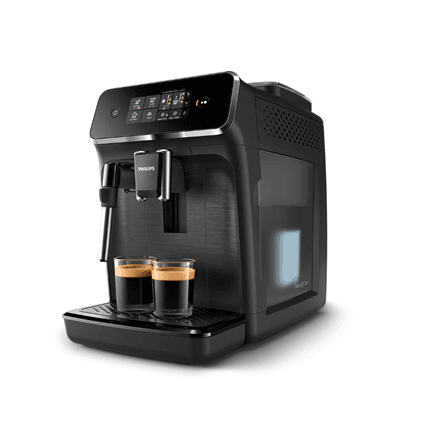
Philips EP2220/10 15 bar automatic espresso machine with milk frother
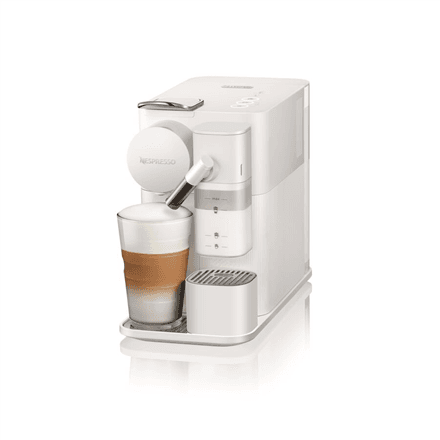
Delonghi EN510.W Lattissima One Automatic Coffee Machine 19 bar
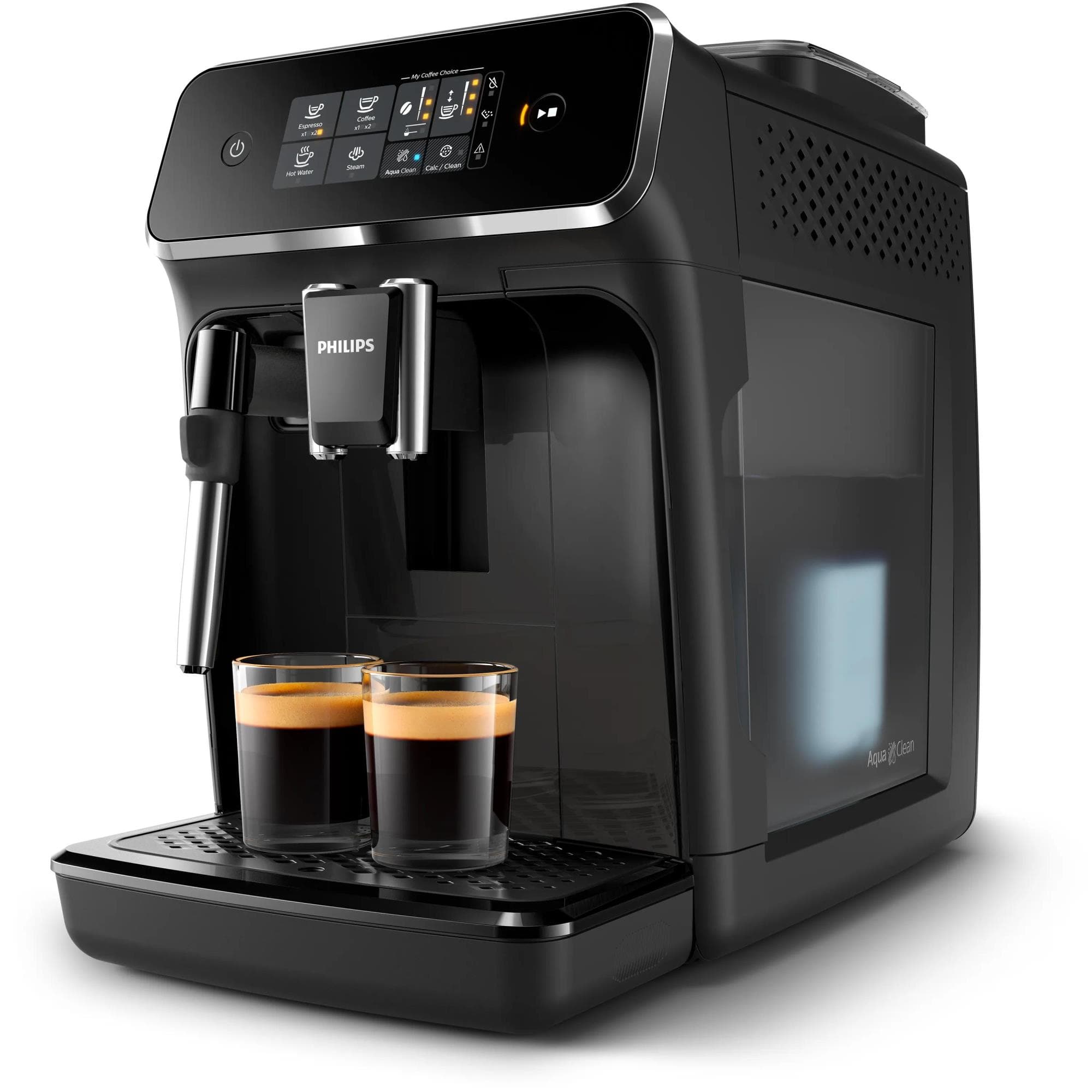
Philips EP2225/10 Espresso Machine with Grinder
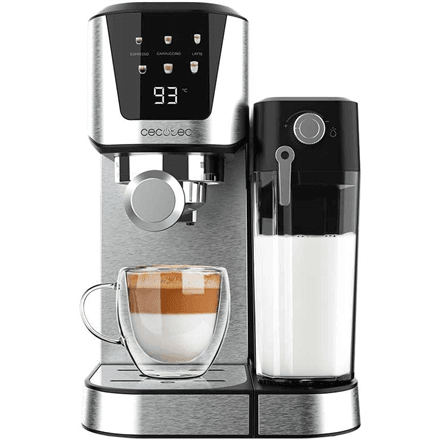
Cecotec Power Espresso 20 Cream | 20 Bar Pump Espresso Machine
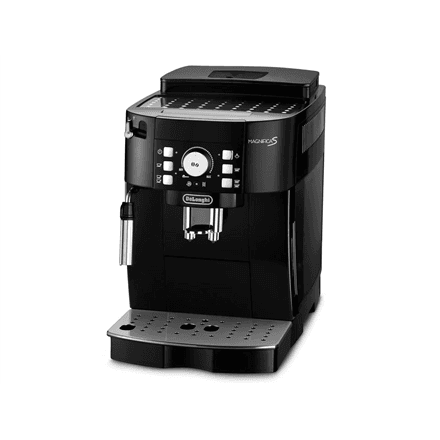
Delonghi Magnifica S Fully Automatic Coffee Maker 14 bar
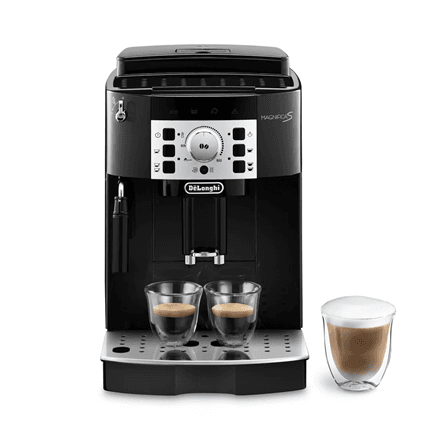
Delonghi ECAM22.112.B Magnifica S automatic coffee maker
Coffee machine FAQ
What is the best coffee machine for home?
For most people, a bean-to-cup machine at €270–450: fresh beans, one button and a cheap cup. Occasional drinkers are better off with a capsule machine, big families with a filter coffee maker, and coffee enthusiasts with an espresso machine and a good grinder.
What is the difference between a bean-to-cup and a semi-automatic espresso machine?
A bean-to-cup grinds, doses, tamps and pulls the espresso by itself. A semi-automatic (portafilter) machine supplies pressure and hot water; grinding, dosing and tamping are your job. The semi-automatic gives more control, the bean-to-cup more convenience.
How many bar should a coffee machine have?
Espresso is brewed at about 9 bar (the INEI standard is 9 ± 1 bar). The 15, 19 or 20 bar on the box is the pump's maximum, not a quality indicator, and there's no taste difference between them.
Does a bean-to-cup machine pay for itself?
If you drink at least two cups a day, yes. A cup from beans costs €0.12–0.25, from a capsule €0.34–0.68. Compared with a capsule machine, a bean-to-cup pays back in six months to two years, depending on the capsules.
How much does a cup from a capsule machine cost?
In Estonian shops as of 23.09.2026: original Nespresso capsules €0.61–0.68, Nespresso-compatible capsules €0.35–0.50 and Dolce Gusto €0.34–0.53 per capsule. A Dolce Gusto cappuccino needs two capsules, so about €1.05 per drink.
How often should I descale a coffee machine?
Whenever the machine asks — provided you've entered your water hardness in the settings. Tallinn's water is hard (2.34 mmol/l), so without a filter it's usually every couple of months. With a Philips AquaClean filter, the maker promises up to 5,000 cups without descaling.
Can I use ground coffee in a bean-to-cup machine?
Many models have a separate chute for ground coffee — for a cup of decaf, for example — one cup at a time. Not all do, so check the specifications.
Which coffee machine is best for an office?
For a small office, a bean-to-cup with a larger water tank and bean hopper, or a filter coffee maker with a thermal jug. A capsule machine is convenient in an office, but costs climb quickly with the number of cups.
Can a coffee machine be delivered to a parcel locker?
Capsule and filter machines, many espresso machines and some bean-to-cups fit in a parcel locker. Larger bean-to-cups come by courier — the delivery method and price are shown in the basket.
Complete your coffee corner
Alongside the machine, pick a coffee grinder (essential for an espresso machine), a milk frother for a capsule or filter machine, and a water filter for a bean-to-cup. All coffee machines are on one page, with filters for type, grinder and milk system.
Browse coffee machinesⓘ Cost per cup is calculated from Selver, Rimi, Maxima, Coop and Nespresso prices (ostukorvid.ee and nespresso.ee, 23.09.2026); prices change daily. Machine price ranges reflect the istore.ee range on 23.09.2026. Espresso parameters: Istituto Nazionale Espresso Italiano; water hardness: Tallinna Vesi (June 2026) and Tartu Veevärk; search trends: Google Trends, Estonia. Machine specifications from the manufacturers (Philips, De'Longhi, Gaggia, SharkNinja). Photos: manufacturers' product images (Philips, Saeco, De'Longhi, Gaggia, Nespresso).