
Black Friday 2026 in Estonia: Dates, Rules and Guide
Black Friday falls on 27 November 2026. Check sale dates, the 30-day discount rule, price history tools, and your 14-day statutory return rights in Estonia.
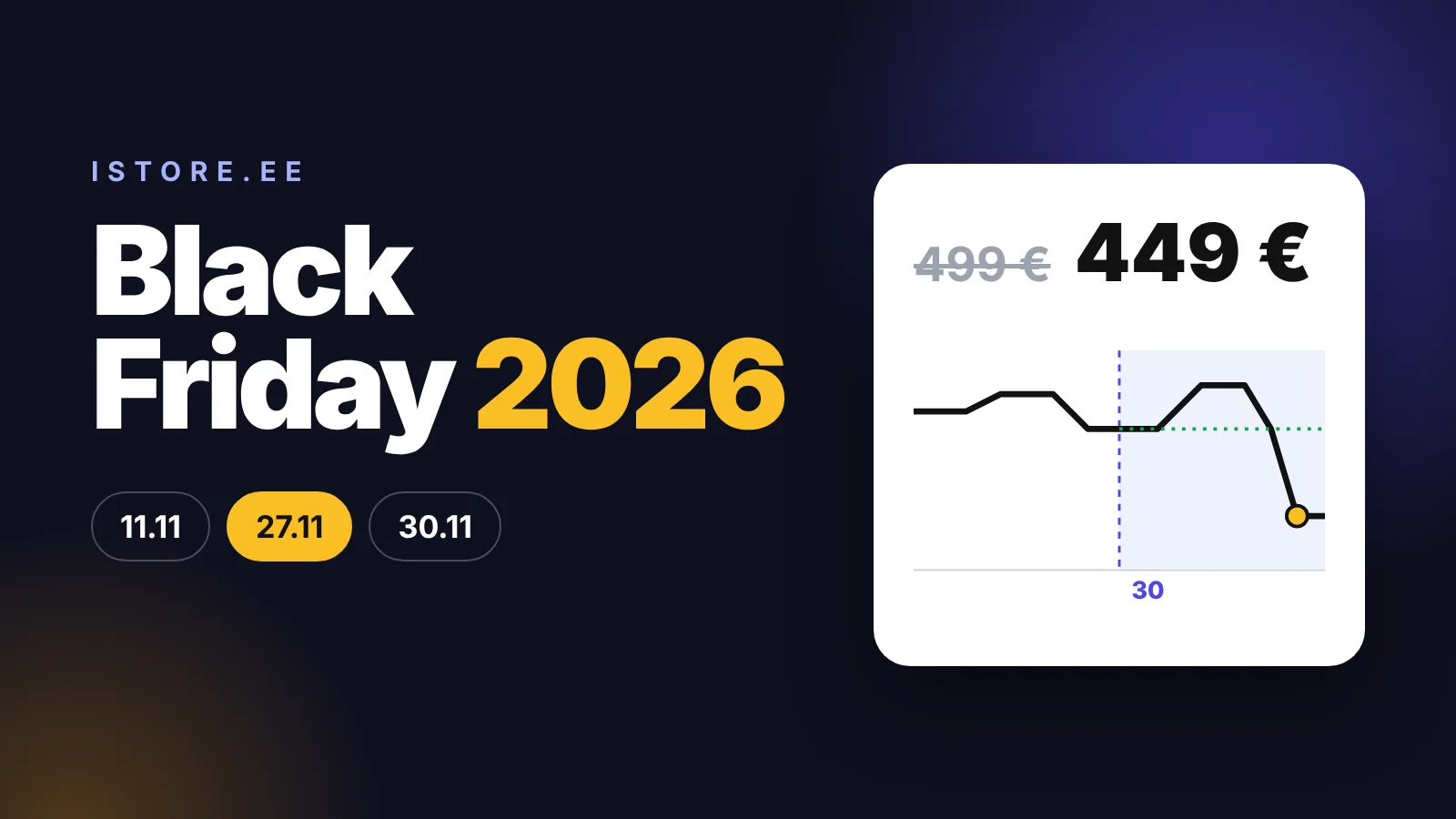
Black Friday takes place on Friday, 27 November 2026, followed by Cyber Monday on 30 November. In Estonian e-commerce, promotional campaigns are no longer confined to a single 24-hour window: most retailers launch Black Week offers a full week in advance, while the retail calendar officially kicks off with Singles' Day on 11 November. Regardless of campaign branding, every online retailer operating in Estonia is bound by a strict statutory standard: every announced discount must display a strikethrough price equal to the lowest price applied to that item in the same shop during the preceding 30 days.
This guide uses practical calculations and statutory references to explain how to distinguish genuine price reductions from inflated reference labels, how to audit any item's price history within three minutes using Hinnavaatlus.ee, which consumer electronics categories see genuine markdown cycles in November, and how buyers are protected under Estonia's 14-day statutory right of withdrawal and 2-year statutory right of claim for defects.
When Are Black Friday and Cyber Monday 2026 in Estonia
Although Black Friday is tied to the fourth Friday of November – falling on 27 November in 2026 – the single-day shopping model has become obsolete across the Estonian electronics sector. To spread the load on warehouses and couriers, distributors and online retailers split their promotions into staged waves. For consumers, this means the strongest deals do not suddenly materialise at 00:01 on Friday morning; they frequently surface during the third full week of November.
| Campaign Phase | Dates 2026 | Electronics Focus | Practical Buyer Considerations |
|---|---|---|---|
| Singles' Day (11.11) | 11 November | Smartwatches, wireless earbuds, accessories and smart home entry kits | Ideal for modest peripheral upgrades, but flagship household appliances remain scarce. |
| Black Week Launch | 20–26 November | Televisions, laptops, espresso machines, robot vacuums and major domestic appliances | The primary promotional inventory goes live. Warehouse stock levels for core models are at their peak. |
| Black Friday | 27 November | Comprehensive catalogue markdowns and short-run spot allocations | High-demand mid-tier configurations frequently sell out before Friday evening. |
| Cyber Monday | 30 November | PC hardware, gaming monitors, network hardware and office computing | Concentrated on workplace computing and enthusiast PC parts; remainder Black Week stock continues until cleared. |
| Year-End & Holiday Sales | December – early January | Gift-oriented gadgets, personal grooming kits and warehouse stock clearance | Courier and parcel locker delivery windows lengthen significantly across Estonia from mid-December. |
Buying Early in Black Week vs Waiting for 27 November
A persistent mistake among consumers is waiting until the morning of 27 November under the assumption that a television or bean-to-cup machine discounted on Monday will receive an additional price cut on Friday. In practice, statutory price regulations constrain retailers: if a shop introduces a promotional price on 20 November, restores standard pricing mid-week, and attempts a renewed cut on 27 November, the new discount must legally be calculated from the lowered 20 November baseline. Consequently, flagship campaign prices are set at the start of Black Week and remain stable until allocations are exhausted.
The sole legal exception involves progressive, uninterrupted price reductions over an ongoing sale window – a mechanism widely applied to seasonal fashion but rarely utilized for consumer electronics. Within Baltic technology distribution networks, physical warehouse allocations are finite. When you identify a vetted model, verify its prior pricing, and find an authentic discount during the first days of Black Week, completing the order before stocks deplete represents the soundest strategy.
The 30-Day Rule: What Strikethrough Prices Actually Mean
Since 28 May 2022, Estonia and the wider European Union have enforced statutory price announcement directives derived from the EU Omnibus Directive (Directive (EU) 2019/2161, inserting Article 6a into Directive 98/6/EC). In domestic law, this mandate is codified under the Consumer Protection Act (Tarbijakaitseseadus) § 7 subsection 6¹ and Regulation No. 14 of the Minister of Economic Affairs of 9 February 2016 on price indication and notification of price reductions.
The statutory framework is unambiguous: whenever a merchant advertises a price reduction – via a percentage figure, a monetary deduction, or a strikethrough price – the merchant must display the prior price. Under statutory definitions, this prior price must represent the lowest price applied by that seller in that specific sales channel during a period of not less than 30 days prior to the reduction. Where a retailer maintains both high-street outlets and an online storefront, the webshop baseline must derive strictly from its own historical digital pricing. At iStore.ee, this logic is hard-coded into the product catalog: on our Black Friday page and across our sale section, every strikethrough reference price reflects the verified 30-day lowest selling price.
Three Numerical Examples: Genuine Markdown, Artificial Inflation and RRP Confusion
To illustrate how regulatory requirements operate on real retail listings, consider three typical pricing scenarios outlined by the Consumer Protection and Technical Regulatory Authority (Tarbijakaitse ja Tehnilise Järelevalve Amet, TTJA).
- Example 1: A Compliant, Genuine DiscountA robot vacuum cleaner sells steadily at €500 from 25 October to 23 November. On 24 November, the retailer reduces the price to €375. Because the lowest price in the preceding 30 days was €500, the merchant may lawfully display a strikethrough price of €500, an active price of €375, and advertise a 25% discount (€125 saving).
- Example 2: Artificial Price Hikes (Prohibited Practice)A laptop retails at €799 from 1 to 10 November. On 11 November, the listing is raised to €999, before dropping back to €799 on 27 November labelled “–20%, Was €999”. Because the lowest price during the preceding 30 days was €799, that figure represents the statutory baseline. The actual discount is €0, rendering the campaign listing an unlawful commercial practice.
- Example 3: Staggered Promotions Across NovemberAn air fryer carries a standard price of €150. During Singles' Day (11 November), it is discounted to €110, then returns to €150. If the retailer marks it down to €99 on 27 November, the lowest price in the previous 30 days is €110 (not €150). The lawful strikethrough price is €110, yielding a true discount of 10% (€11), rather than an inflated 34%.
| Scenario | Price 1–10 Nov | Price 11–20 Nov | Price 27 Nov | Lawful Prior Price | True Consumer Saving |
|---|---|---|---|---|---|
| Stable price preceding the sale | €500 | €500 | €375 | €500 | €125 (25%) |
| Temporary hike ahead of Black Friday | €799 | €999 | €799 | €799 | €0 (Unlawful discount) |
| Price reset between separate sales | €150 | €110 → €150 | €99 | €110 | €11 (10%) |
| Unbroken progressive reductions | €400 | €360 (ongoing) | €320 | €400 | €80 (20%) |
What Does Not Constitute a Discount and Recognized Exceptions
Shoppers frequently confuse genuine promotional markdowns with manufacturer recommended retail prices (RRP/MSRP). If a newly launched display carried a launch RRP of €1,200 twelve months ago, but prevailing Estonian street prices have stabilized at €890 across recent months, a promotional listing of €850 cannot be represented as a €350 saving. Under consumer transparency statutes, merchants are prohibited from presenting historical RRP values in a format that misleads consumers into perceiving an immediate, steep price collapse.
The statutory framework recognizes specific, tightly defined exceptions. First, where a product's price is progressively stepped downward within a single uninterrupted campaign (for instance, dropping from €400 to €360 in week one, then to €320 in week two), the merchant may retain the original €400 baseline throughout the ongoing period. Second, for newly listed inventory that has been available on the market for fewer than 30 days, the baseline is the lowest price applied over at least the 7 days before the reduction; if an item has been on sale for less than 7 days, no discount may be shown at all. Third, multi-buy package mechanics (such as “buy three accessories, get the lowest-priced free”) and individualized personal vouchers fall outside standard price reduction notifications; however, universally applicable site-wide voucher codes must comply fully with 30-day baseline rules.
How to Report Deceptive Pricing Practices
If you observe an e-commerce campaign displaying a fabricated previous price or miscalculated discount percentages, preserve evidentiary documentation via screenshots capturing the calendar date, URL, SKU code, and visible figures. You can initially request clarification from the merchant's customer support, as algorithmic integration glitches occasionally occur. If deceptive practices persist, report the incident to the Consumer Protection and Technical Regulatory Authority (TTJA) via their online administrative portal or by email at info@ttja.ee.
How to Verify a Discount in Three Minutes Before Buying
Full compliance with the 30-day statutory rule does not inherently guarantee that a specific listing represents the most competitive price across Estonia. If an online shop maintained an item at €550 throughout October and reduced it to €470 in November, the resulting €80 markdown is legally sound – yet an alternative vendor may have sold the same hardware at a regular €455 baseline all autumn. Conducting a structured 3-minute validation prevents overpayment.
1. Check Long-Term Price History on Hinnavaatlus.ee
The Estonian price comparison site Hinnavaatlus.ee indexes price updates across Estonian webshops daily and generates historical price progression graphs. Copy the exact manufacturer part number (MPN) or EAN barcode from the listing and query the portal. Scrutinise two variables: the lowest recorded price point over the preceding six to twelve months, and the total count of competing vendors matching that price tier. If the November campaign price undercuts typical summer and autumn baselines, the financial saving is real.
2. Calculate True Landed Cost Inclusive of Delivery
The price on a product card and the balance payable at the banking checkout differ by the cost of transit. As shown in our guide to the best TVs for Black Friday 2026, freight logistics fundamentally alter large display pricing; however, this arithmetic applies with equal force to entry-level gadgets.
A simple sum: a hair styler costs €58 in shop A plus €5.90 delivery (€63.90 in total), and €59.99 in shop B plus €2.99 for a parcel locker (€62.98). The shop with the lower sticker price ends up dearer. At iStore.ee a parcel locker (Omniva, DPD or Venipak) costs €2.99, courier delivery €7.99, and large-item courier delivery (washing machines, fridges, big TVs) €24.90. Rather than inflating baseline margins to simulate misleading “free shipping”, we maintain transparent logistics fees so multiple items can be consolidated into a single delivery charge.
3. Match the Exact Manufacturer Part Number
Consumer electronics manufacturers frequently assign an identical marketing chassis name to over a dozen divergent hardware configurations. On a portable computer, a single trailing digit in the model code can indicate a dull 250-nit display rather than a colour-accurate 400-nit panel, an omitted keyboard backlight, or an older generation processor. On robot vacuum cleaners, suffix letters denote whether the dock includes hot-water mop cleaning or merely passive battery charging.
Be alert to campaign-specific derivatives engineered exclusively for autumn markdown events. If a television or notebook appears remarkably cheap under a model code that surfaced only in October with zero independent review coverage from earlier in the year, perform a line-by-line specification audit against the standard product family (checking panel refresh rates, HDMI 2.1 throughput, Wi-Fi versions, and battery capacities).
4. Verify Physical Inventory and Order Creation Rules
During peak November traffic, confirm whether an item is marked as physical warehouse stock or carries a 2–3 week supplier procurement window. If buying for seasonal gift deadlines, prioritize immediate stock. Crucially, recognize how automated inventory management operates: at iStore.ee, orders are formally generated and stock allocations reserved only upon verified receipt of payment through bank links, payment cards, or finalized hire purchase contracts. Placing a product in your shopping cart does not reserve it against concurrent purchases.
What to Buy on Black Friday and What to Postpone
Price adjustments across hardware segments follow divergent commercial trajectories in November. Specific categories benefit from substantial manufacturer price subsidies as factories clear allocations ahead of next-generation product announcements. In other sectors, baseline margins remain thin year-round, capping realistic discounts at negligible margins.
Hardware Categories Delivering Maximum Real Savings
Televisions and home cinema soundbars represent the cornerstone of November markdowns. Displays launched in spring reach their optimal pricing window by late autumn as global brands prepare for January technology expos. If you are assessing OLED, QD-OLED, or Mini-LED displays, see our guide to the best TV for Black Friday 2026 to match panel performance with your room illumination.
Small kitchen appliances and domestic coffee preparation systems consistently demonstrate substantial price movements. Automatic bean-to-cup machines, multi-tier air fryers, and high-performance blenders receive direct promotional funding from brand distributors. To avoid buying equipment that proves arduous to clean, read our guide on how to choose a coffee machine, comparing milk circuit sanitation and burr grinder longevity.
Across computing hardware, prime value appears among corporate business laptops, 27-to-34-inch IPS and OLED displays, and internal storage components (NVMe solid-state drives and RAM modules). Ergonomic gaming chairs and gaming peripherals – encompassing tactile mechanical keyboards, lightweight wireless mice, and USB studio microphones – experience heightened brand rivalry during late November, resulting in aggressive pricing.
Smart home infrastructure and automated cleaning systems (smart lighting starter bundles, automated deadbolts, and self-emptying robot vacuums) serve as strong sale purchases, particularly when acquired in bundled kits. Similarly, personal grooming appliances – including sonic toothbrushes, electric shavers, and hair styling tools – are typically priced more competitively in November than in late December. To evaluate brushing modes and battery endurance, see our guide to the best electric toothbrush.
Hardware to Avoid or Postpone Until January
Flagship smartphones unveiled in September or October, alongside cutting-edge desktop graphics cards and desktop CPUs, rarely receive significant price drops during Black Friday. Initial retail demand outstrips regional allocation, keeping wholesale procurement prices fixed. If you need a handset, examine preceding-year flagship lines or mid-tier handsets introduced earlier in the spring.
Postponing acquisitions to January or February makes strategic sense for dedicated fitness wearables and home training gear (coinciding with New Year health promotions), as well as seasonal climate control appliances (such as ultrasonic humidifiers and ceramic heaters, which experience peak seasonal demand and premium pricing throughout November and December).
| Hardware Category | Buy on Black Friday | Commercial Dynamics and Selection Advice |
|---|---|---|
| Televisions & Soundbars | Yes (Prime annual window) | Spring release clearance prior to January models; verify panel refresh rates and true 120Hz HDMI 2.1 support. |
| Coffee Machines & Kitchen Tech | Yes (Strong brand subsidies) | Manufacturer-funded discounts; compare automated milk circuit hygiene and descaling operational overheads. |
| Laptops & Desktop Displays | Yes (Business & mid-tier tiers) | Solid markdowns on models 6–12 months post-release; verify screen luminance (in nits) and soldered RAM limits. |
| Gaming Chairs & Peripherals | Yes (Aggressive pricing) | Heavy competitive discounting across wireless headsets, mechanical boards, and ergonomic seating. |
| Smart Home & Robot Vacuums | Yes (Especially bundles) | Lighting starter sets and self-cleaning vacuum docks; check filter and disposable dust bag pricing. |
| Autumn Flagship Smartphones | No (Marginal reductions) | September/October flagship launches maintain rigid pricing; prior-generation flagships offer superior value. |
| Climate Control & Sports Watches | Wait until January | Humidifiers face peak winter demand; fitness trackers see dedicated New Year promotion cycles in January. |
Hire Purchase on Black Friday: APR, Hidden Costs and Borrowing
Utilizing hire purchase (järelmaks) options during discount sales demands strict financial evaluation. If a device carries a nominal €50 discount, but the chosen financing agreement incurs €110 in interest charges and contractual administration fees across a 24-month schedule, the net acquisition cost finishes €60 higher than paying the regular retail price upfront.
Understanding APR (KKM) and Why 0% Interest Can Conceal Costs
The benchmark metric for evaluating financing arrangements in Estonia is the annual percentage rate of charge, designated locally as KKM (krediidi kulukuse määr). Expressed as an annualized percentage, the KKM incorporates not merely nominal contractual interest, but every mandatory expenditure tied to the credit agreement: contract origination fees (lepingutasu) and recurring monthly account handling fees (haldustasu).
When assessing “0% interest” retail promotions, examine three specific lines: nominal interest, one-off agreement origination fees, and ongoing monthly administrative charges. If nominal interest is 0%, but the agreement imposes a €20 arrangement fee and a €2.50 monthly maintenance charge over 12 months, a €500 purchase incurs €50 in added costs, totaling €550. A financing arrangement is genuine zero-cost only when interest, arrangement fees, and maintenance charges are all certified at €0, making the aggregate sum of repayments identical to the cash price.
At iStore.ee, customer transactions can be settled via bank links, debit and credit cards, or through Placet hire purchase arrangements, including promotional 0% conditions on qualifying basket brackets. Detailed terms, repayment schedules, and representative examples displaying the statutory KKM are set out on our hire purchase page before you sign.
When Financing Is Rational and When to Abstain
Spreading payments across manageable installments is sensible when an essential domestic appliance fails unexpectedly (such as a primary refrigerator, washing machine, or primary work computer), or when utilizing a verified zero-cost installment schedule (0% interest, €0 contract fee, €0 monthly fee) to preserve an emergency cash reserve. Incurring commercial interest charges for luxury lifestyle gadgets or discretionary consumer items is financially imprudent. Every credit contract is a legal financial commitment: review contract parameters, verify the aggregate repayment total, and consult qualified financial advice where appropriate.
14-Day Right of Withdrawal and 2-Year Defect Rights
A widespread misconception among consumers is that items purchased at promotional or discounted rates cannot be returned. Under Estonian consumer law, legal protection depends strictly on the transaction channel: physical high-street shops are under no legal obligation to accept returns of non-defective goods, whereas transactions concluded via distance communication channels (e-commerce) grant private consumers statutory protections under the Law of Obligations Act (Võlaõigusseadus, VÕS) § 56.
Operating the 14-Day Right of Withdrawal and Return Freight Liability
Goods acquired through an online webshop enjoy an identical 14-day statutory right of withdrawal, applying equally to standard inventory and Black Friday promotional lines. For holiday shoppers, an essential operational detail applies: the 14-day statutory withdrawal window begins on the day the consumer (or a nominated third party) physically retrieves the consignment from a parcel locker or accepts courier delivery – not on the invoice execution date. If a gift is purchased on 27 November and collected from an automated locker on 30 November, the no-fault statutory withdrawal period runs through 14 December.
Statutory inspection parameters mirror high-street retail conditions: consumers may unbox and examine the equipment only to the extent necessary to ascertain the nature, characteristics, and proper functioning of the product – precisely as permissible within an ordinary retail showroom. If a coffee maker is placed into daily brewing operation, display protection films removed, or cosmetic scuffs inflicted, the right of withdrawal remains legally intact; however, the merchant is entitled under law to deduct an amount corresponding to the reduction in value (väärtuse vähenemine) from the refunded total.
Under § 53 subsection 4 of the Law of Obligations Act, statutory withdrawal does not apply to sealed goods unsuitable for return due to health protection or hygiene considerations if unsealed following delivery (this can include, for example, in-ear headphones or toothbrush heads sealed for hygiene reasons), nor does it cover unsealed software or game media. In standard contractual withdrawal scenarios involving non-defective items, the direct costs of returning the consignment are borne by the purchaser unless explicitly agreed otherwise with the merchant.
The 2-Year Statutory Right of Claim vs Commercial Manufacturer Warranties
Consumers frequently conflate statutory rights of claim (nõudeõigus) with voluntary commercial manufacturer warranties (garantii). Pursuant to § 218 subsection 2 of the Law of Obligations Act, the seller is liable to a private consumer for any lack of conformity (manufacturing defect) that becomes apparent within two years from delivery. During the initial 12 months following handover, any defect is legally presumed to have existed at the time of delivery unless the seller proves otherwise.
This statutory 2-year claim protection applies unconditionally across all Black Friday promotional products. The single statutory exception occurs when an item is explicitly sold as defective or refurbished and the precise defect is documented to the buyer prior to purchase – and even then, statutory 2-year protection continues to cover all unrelated hardware modules. Conversely, a manufacturer warranty represents a voluntary commercial undertaking (such as a specialized battery warranty or a limited 1-year commercial guarantee for corporate entities) and can never legally limit or override a private individual's statutory 2-year remedy against the seller.
Pre-Checkout Checklist: 8 Steps to Smart Shopping
Before finalizing your online basket this November and advancing through a bank link or credit agreement, run through this concise validation checklist. It takes two minutes to complete and systematically prevents buyer remorse and hidden expenses.
- 1. Verify the 30-Day Lowest Price BaselineConfirm that the strikethrough price reflects the lowest verified selling price over the preceding month, rather than an inflated historical RRP.
- 2. Audit Price Progression on Hinnavaatlus.eeSearch the exact manufacturer part number on Hinnavaatlus.ee to verify whether the advertised deal undercuts prevailing 6-to-12-month market trends.
- 3. Match the Exact Model Code Character by CharacterCross-check trailing alphanumeric SKU digits to avoid cut-down display panels, older processors, or stripped peripheral accessories.
- 4. Add In Transit Costs to Form the Landed PriceFactor in automated parcel locker fees (€2.99), standard courier delivery (€7.99), or large-item courier delivery (€24.90) to evaluate the true checkout total.
- 5. Confirm Physical Stock vs Backorder Lead TimesCheck whether the product is physically in stock, noting that inventory allocations are locked strictly upon receipt of cleared payment.
- 6. Factor in Recurring Consumable CostsAssess the market availability and replacement cost of essential consumables: descaling solutions, water filters, vacuum bags, and brush heads.
- 7. Scrutinise APR and Admin Charges on FinancingCheck the KKM, arrangement fees, and monthly maintenance costs to ensure financing surcharges do not surpass your initial saving.
- 8. Open Packaging Carefully and Retain DocumentationKeep internal packaging intact during initial inspection, and preserve hygiene seals on personal care items until you are certain of retention.
Our Verdict
When Black Friday Is Worth It
- You have maintained a prioritized acquisition list since October and previously logged baseline regular pricing for intended hardware.
- You are purchasing spring-cycle televisions, coffee makers, robot vacuums, or computer monitors whose regional allocations are being cleared.
- You have verified the price history on Hinnavaatlus.ee and confirmed that the listing sits at the lowest level recorded in six months.
- You consolidate multiple required household appliances or seasonal gifts into one order, reducing logistics expenses to a single transit fee.
- You settle the order from current savings or utilize verified zero-cost installment arrangements where fees do not dilute the saving.
When to Walk Away
- You are prompted to purchase hardware purely by promotional percentage badges, without an established functional requirement.
- The specific SKU lacks third-party technical reviews and pricing history, revealing degraded internal specifications compared to standard models.
- You enter into high-APR credit commitments for non-essential impulse items where financing interest wipes out promotional savings.
- You buy seasonal gifts in late November for presentation in late December, allowing the 14-day statutory return window to lapse before opening.
- You expect significant price drops on flagship smartphones launched in September or October, whose prices only adjust months later in spring.
Black Friday across the Estonian technology market represents the premier annual window for planned hardware investments – particularly across televisions, bean-to-cup espresso machines, robotic cleaning systems, displays, and high-tier PC peripherals. The shoppers who benefit most are those who disregard banner percentages and independently verify the technical hardware specifications, 30-day price baselines, and complete landed checkout totals.
When you identify a targeted model at an authentic discount during the initial phase of Black Week (20–26 November) with confirmed warehouse stock, there is little commercial logic in waiting until Friday midnight. Under 30-day baseline statutes, primary campaign pricing remains stable all week, yet regional Baltic warehouse inventory often depletes ahead of the weekend.
Featured Deals by Category
Explore selected consumer hardware with transparent pricing benchmarked against genuine 30-day baselines. Inventory and promotional allocations update in real time.

Adler AD 6309 Airfryer Oven 1700W 13L Stainless Steel

Lindy USB-C Mini Dual 4K Docking Station 43360
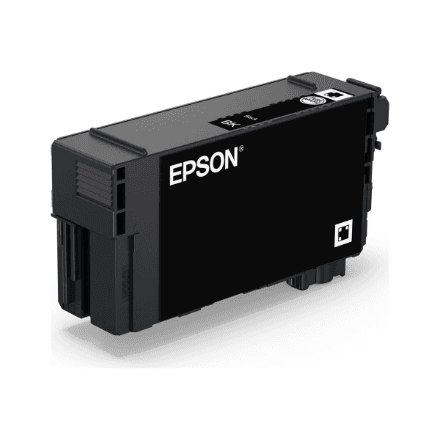
Epson C13T11J140 ink cartridge, black, WorkForce Pro WF-M4119DW

AXAGON HMC-CUB83X2 USB-C Hub HDMI DP Docking Station

Axagon HMC-UFO 9-in-1 USB-C Notebook Docking Station
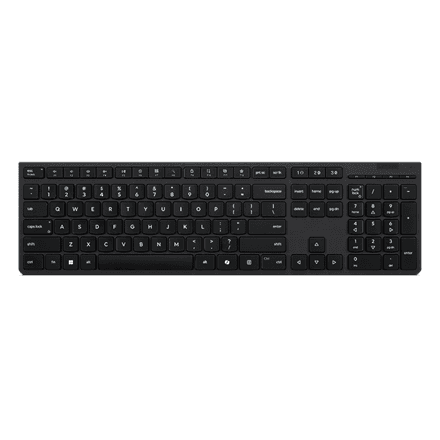
Lenovo Professional Wireless Rechargeable Keyboard AI
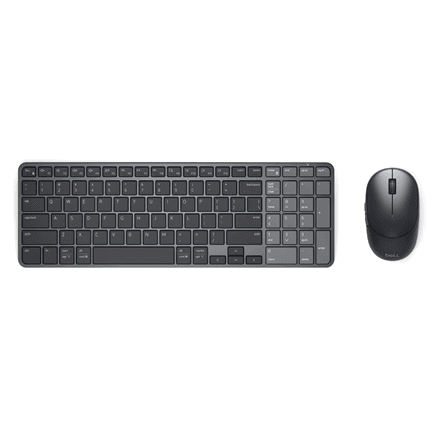
Dell KM746 Pro 7 Rechargeable Keyboard and Mouse Set, Estonian Layout
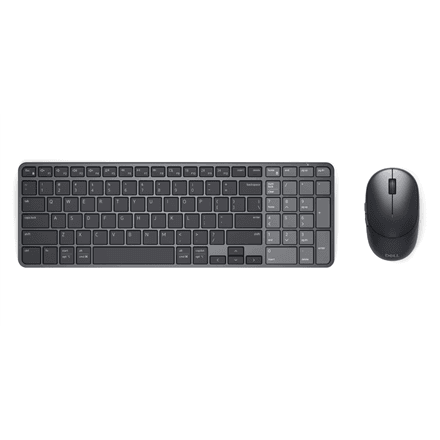
Dell Pro 7 KM746 rechargeable compact keyboard and mouse, Bluetooth, Lithuanian
Frequently Asked Questions
When is Black Friday 2026 in Estonia?
Black Friday falls on 27 November 2026, followed by Cyber Monday on 30 November 2026. Most Estonian e-commerce shops launch their Black Week promotions approximately one week early, between 20 and 23 November.
What is the 30-day price rule for discounts in Estonia?
Under Consumer Protection Act § 7 subsection 6¹, any advertised price reduction must show a prior strikethrough price representing the lowest price at which the merchant offered that product in the same sales channel during the preceding 30 days. This prevents temporary artificial markups prior to sales.
How can I check if an Estonian online shop discount is authentic?
Copy the manufacturer part number (MPN) or EAN barcode from the listing into Hinnavaatlus.ee. The resulting historical price chart demonstrates genuine market price movements across Estonian vendors over the past 6 to 12 months.
Can I return Black Friday sale items within 14 days?
Yes. Distance purchases concluded online enjoy a statutory 14-day right of withdrawal under Law of Obligations Act § 56, irrespective of promotional discounts. The period runs from the day you physically collect the parcel. Items sealed for hygiene reasons (such as in-ear headphones) may be exempt once opened.
Does discounted electronics stock carry a 2-year right of claim?
Yes. Under Law of Obligations Act § 218, sellers remain legally responsible for manufacturing defects appearing within 2 years of delivery to private consumers, regardless of how heavily discounted the purchase price was.
Does placing an item in my cart reserve it on Black Friday?
No. At iStore.ee, stock allocations are formally secured and orders initiated only upon verified receipt of payment through bank links, card processors, or approved hire purchase contracts. Items left in an unpaid cart can be purchased by other shoppers.
What should I look for when using hire purchase during Black Friday?
Examine the statutory APR (KKM), agreement origination fees, and monthly maintenance charges alongside the nominal interest rate. Compare the aggregate repayment sum with the item's immediate cash price. Placet hire purchase terms are on the iStore.ee “Hire purchase” information page.
Summary: Check Total Costs and Match Exact Codes
A genuinely successful Black Friday purchase comes down to clear arithmetic: verify the 30-day prior price, check long-term trends on Hinnavaatlus.ee, match the exact manufacturer part number, and calculate delivery into the final cost. If the numbers align and the hardware meets a planned requirement, late November offers significant, verified savings on electronics.
Explore Black Friday Dealsⓘ The information in this article reflects consumer protection statutes in the Republic of Estonia and the European Union, alongside TTJA regulatory guidelines, as of the update date (8 November 2026). This guide is provided for educational and informational purposes and does not constitute formal legal or financial advice.